
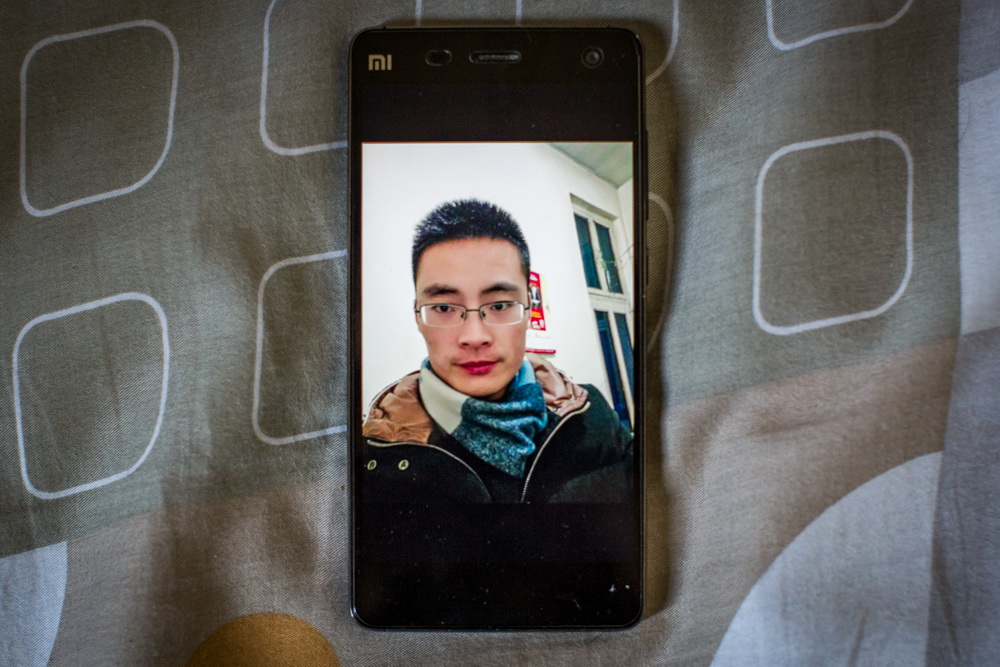
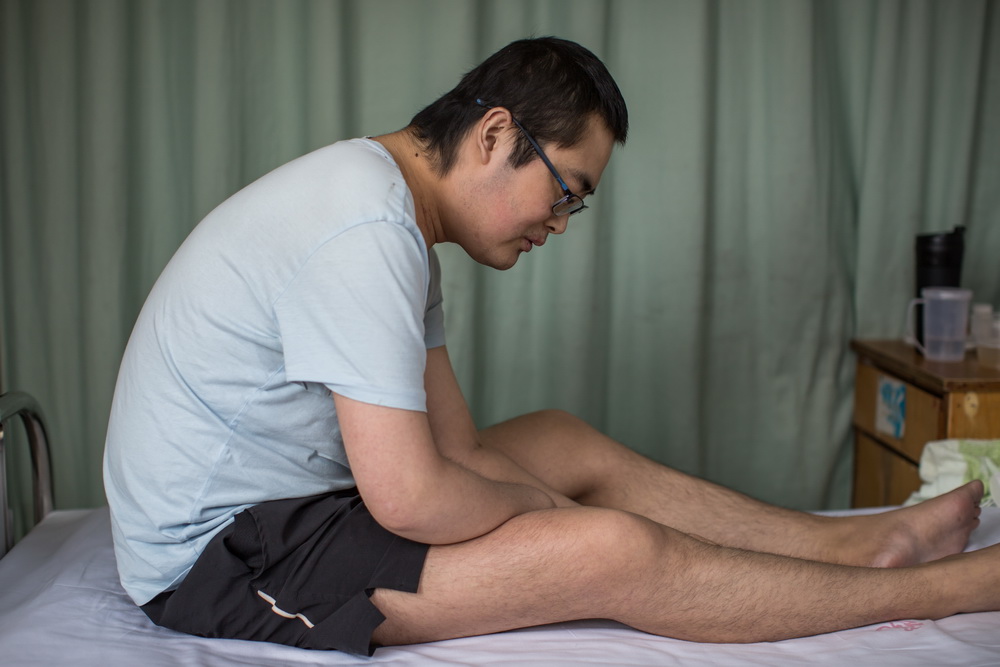
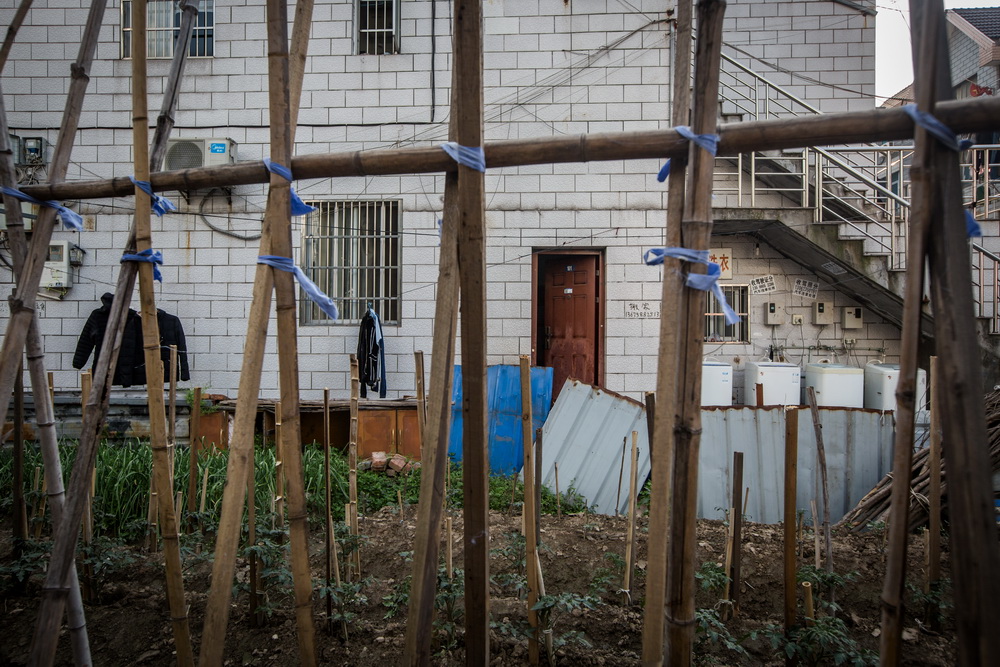
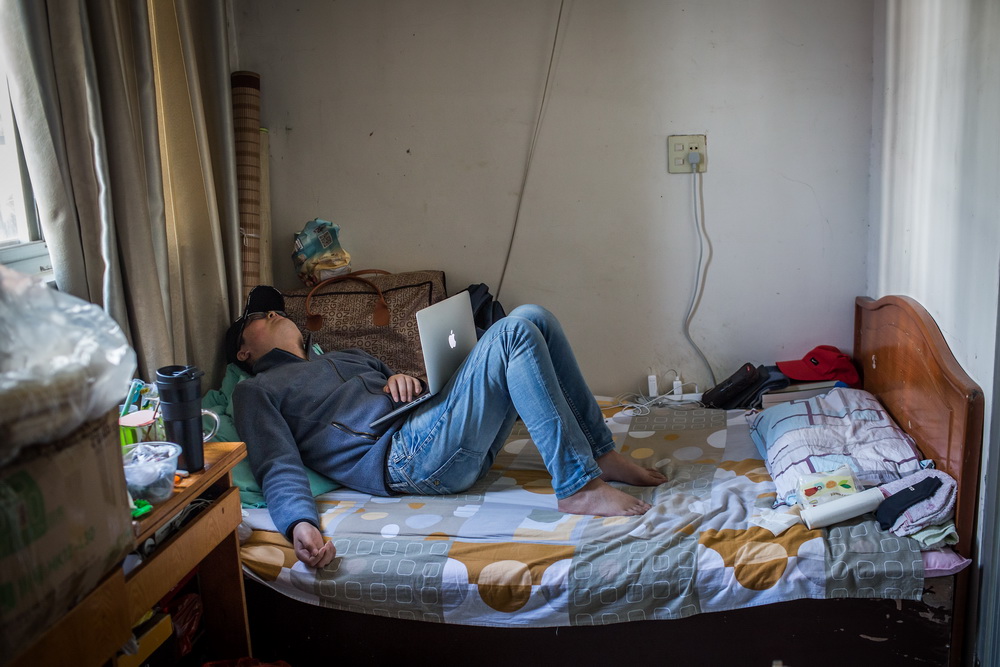
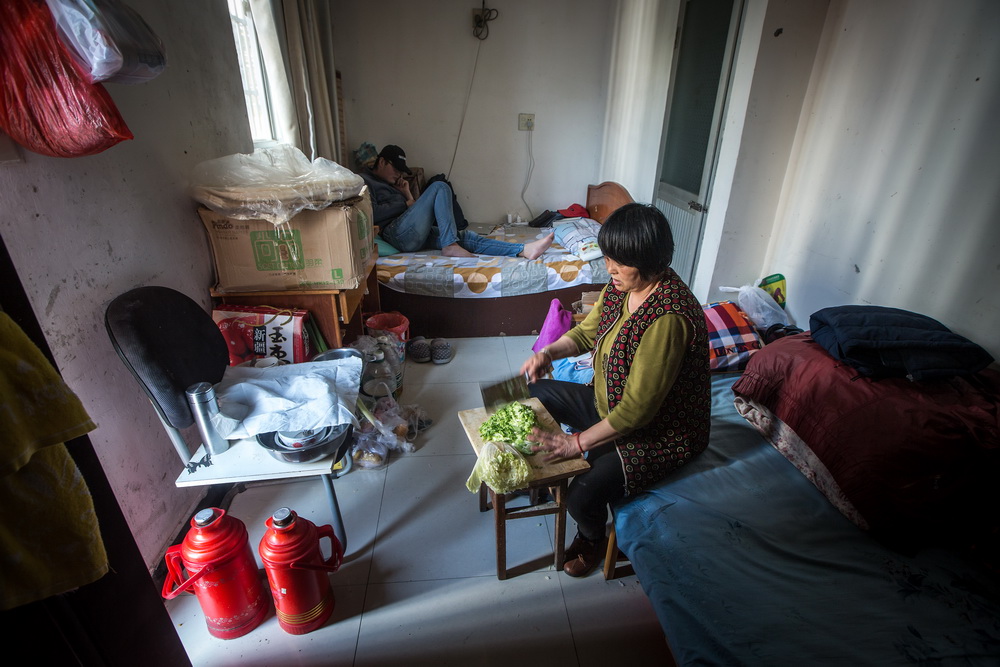
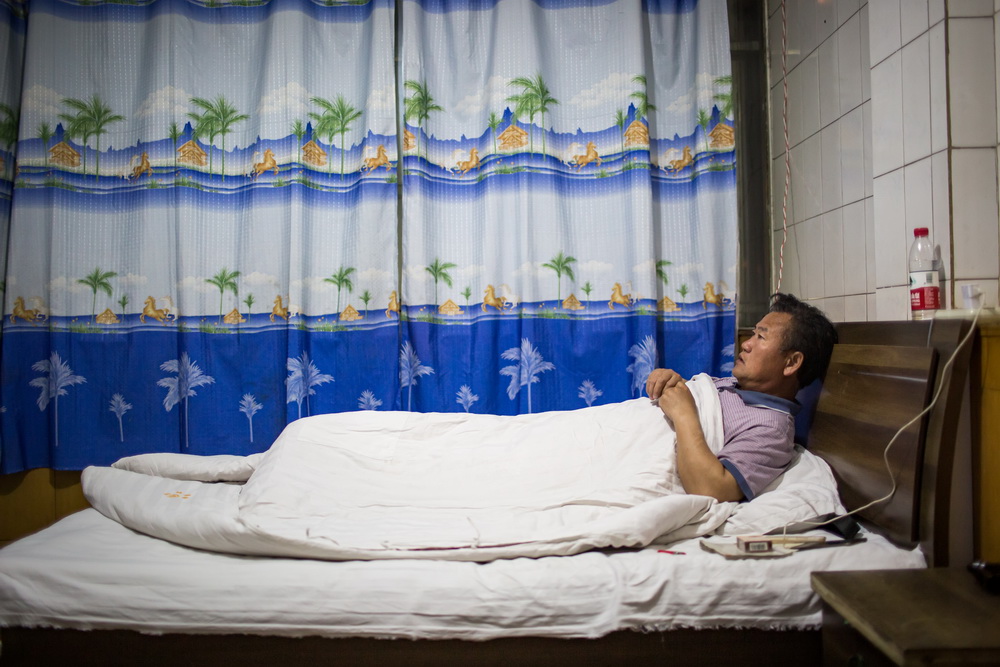
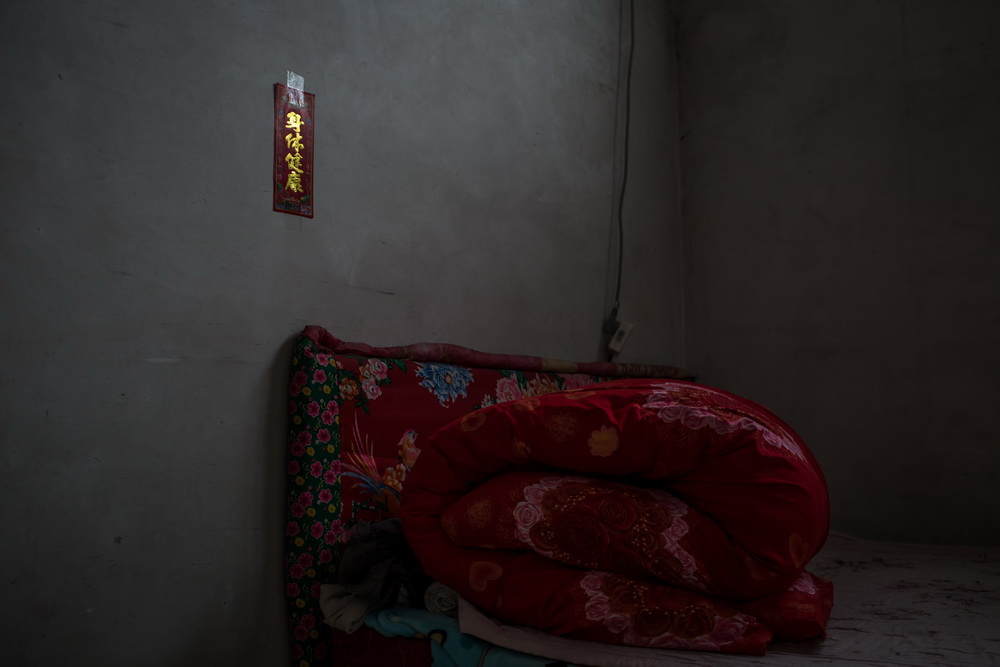
杭州滨江区一处待拆迁的城中村里,28岁的李明蜷缩在不足7平方米的出租屋内,咳嗽声在狭小的空间里回荡。这个被命运反复捉弄的青年,正用最后的力气与死神抗争。
李明来自山东临沂的一个农民家庭,2013年大学毕业后,选择到杭州工作以减轻家庭负担,却始终怀揣学术深造梦想。三年后,他毅然辞职备考,仅用四个月时间复习,便被浙江大学计算机学院录取。然而2017年6月,准备开启研究生生涯的李明被确诊为急性淋巴细胞白血病,需骨髓移植。因离职考研、尚未入学,李明无法享受医保,高昂的治疗费让全家陷入困境。在亲友和社会帮助下,终于筹得43万元。
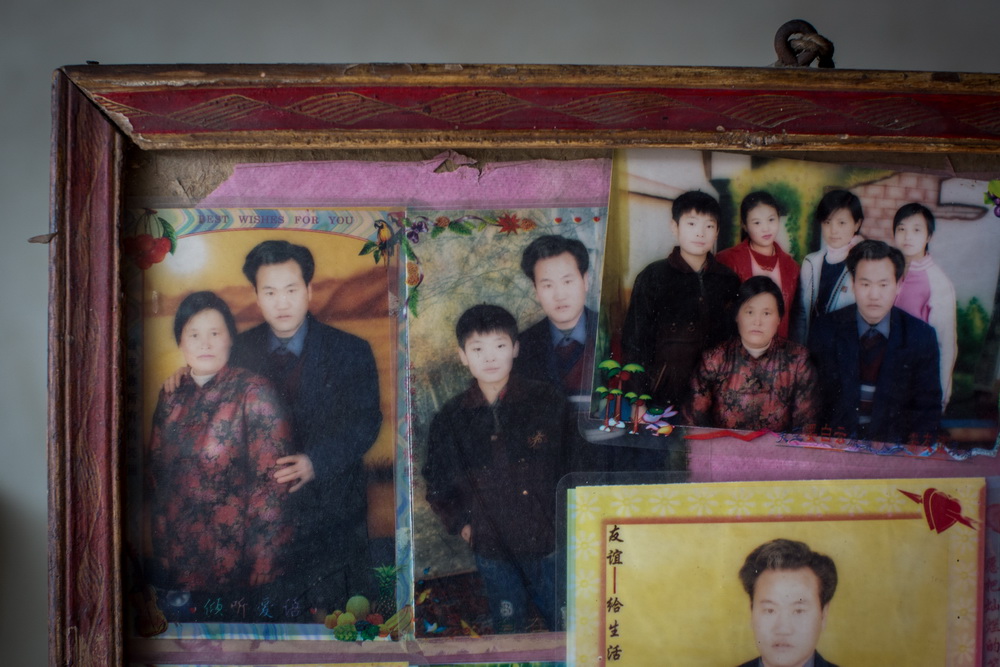
治疗白血病的关键是找到匹配的造血干细胞,通常直系亲属配型成功率更高。除了父母,李明家中还有三个姐姐。正当准备与家人配型时,命运再次抛出残酷玩笑——母亲含泪揭开尘封28年的秘密:你不是我亲生的……
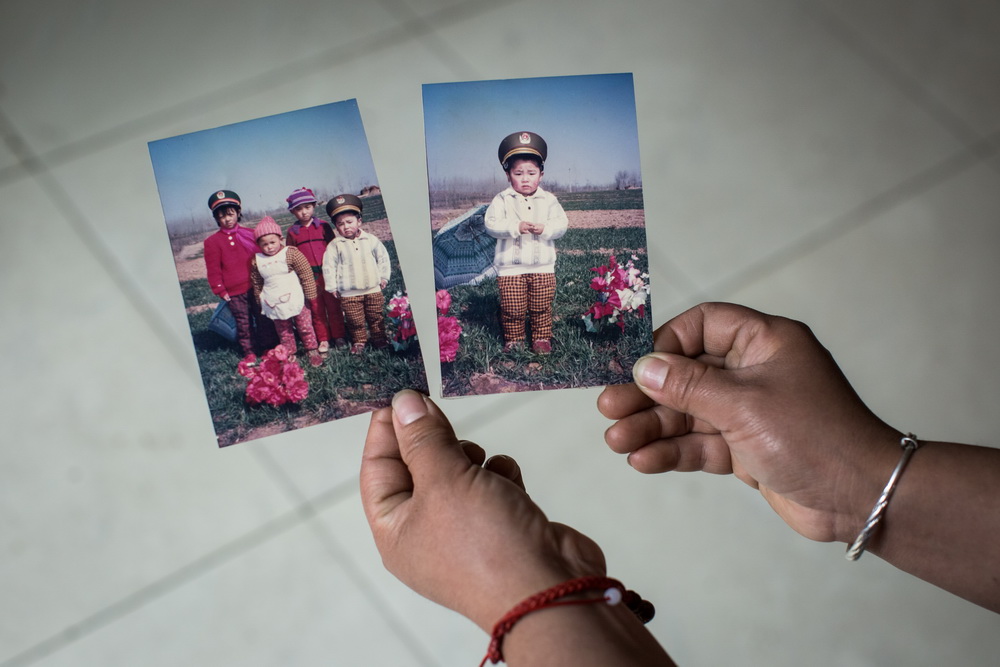
原来,母亲在生完第三个女儿后突发大出血,失去了生育能力。1990年从来自山西省保德县的中间人手里,抱养了尚在襁褓中的男婴,取名李明。这个被当作亲生儿子抚养的青年,直到生命垂危时才知晓自己的身世。然而,当初抱养时只知李明出生于农历三月十六,有三个哥哥,而中间人早已去世,身世线索中断。
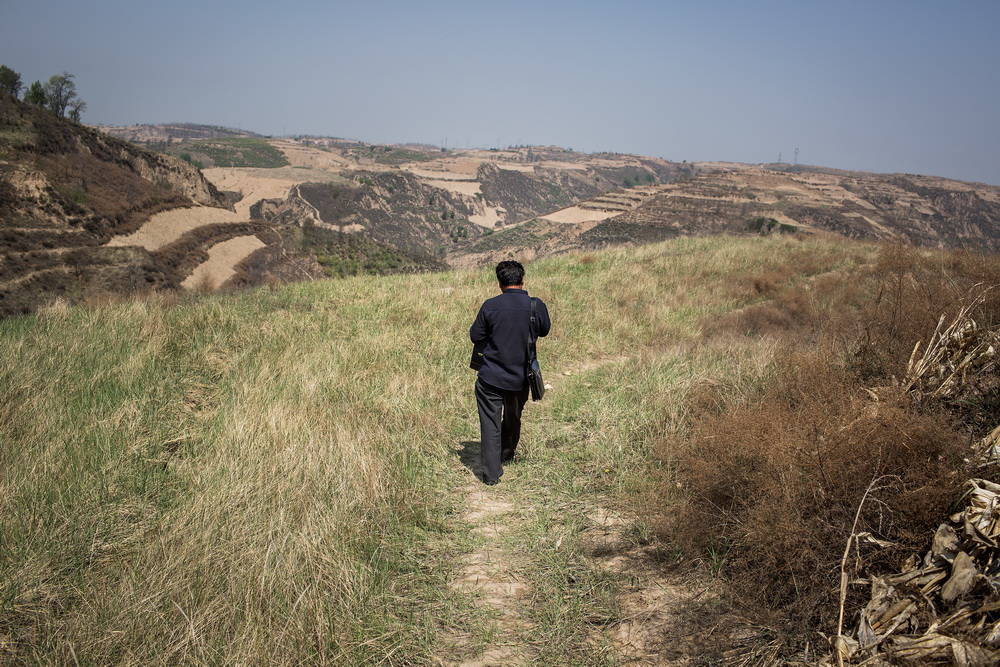
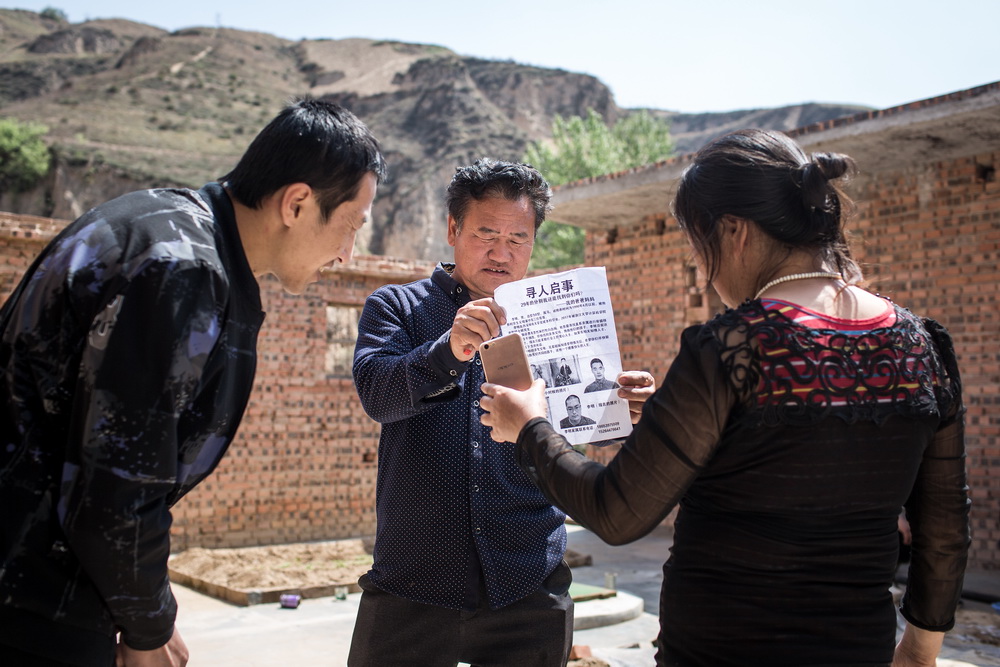
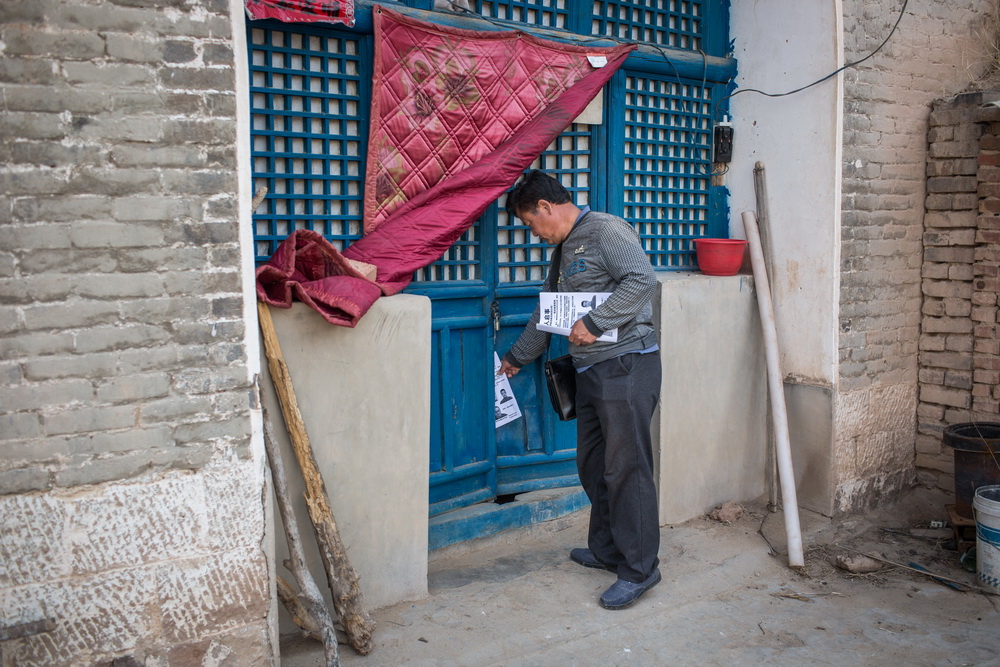
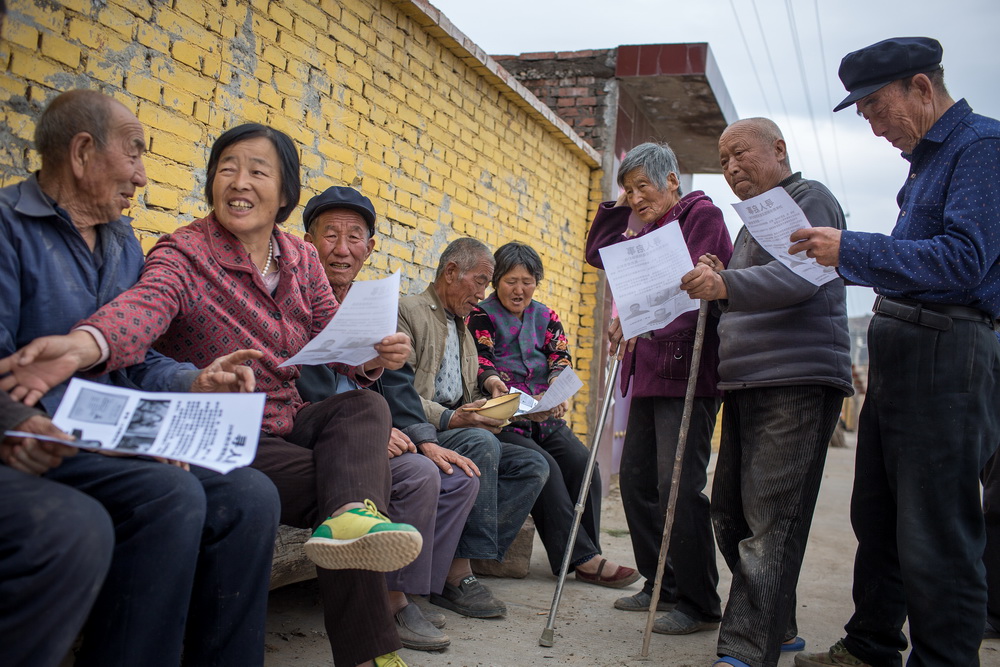
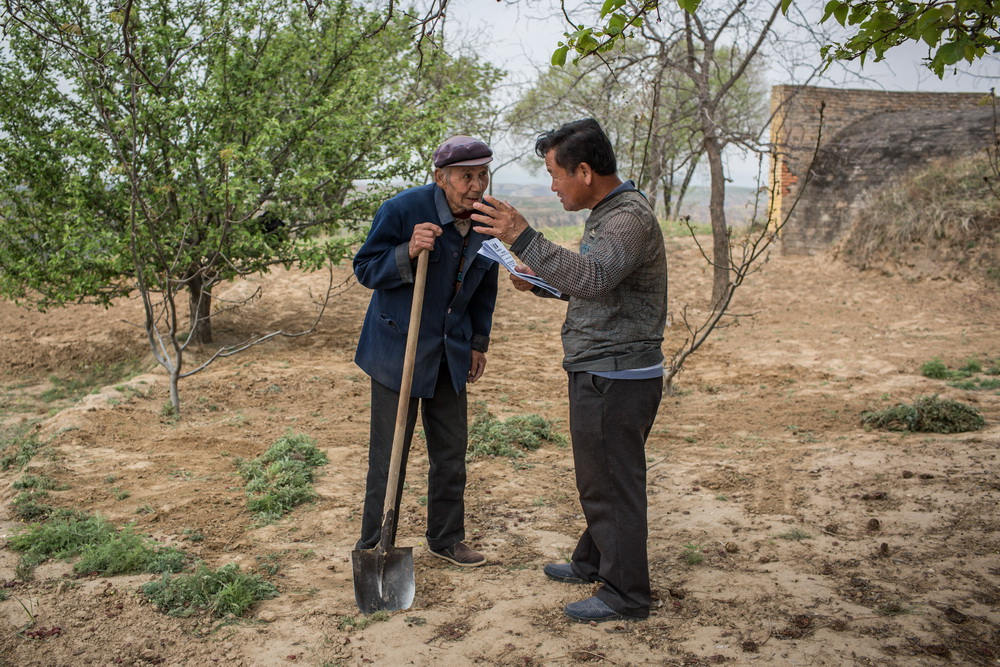
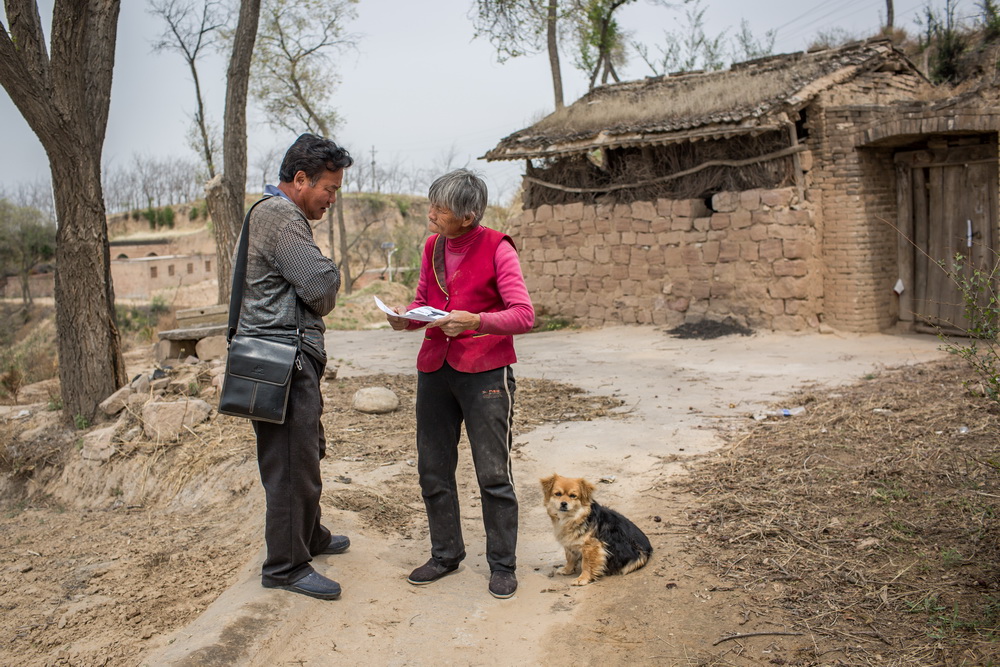
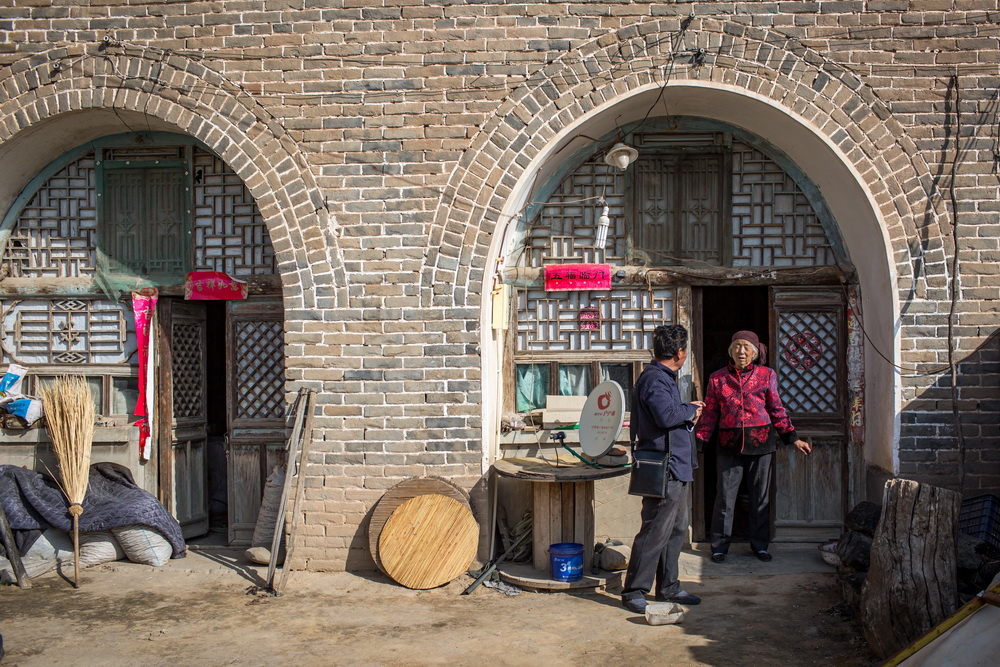
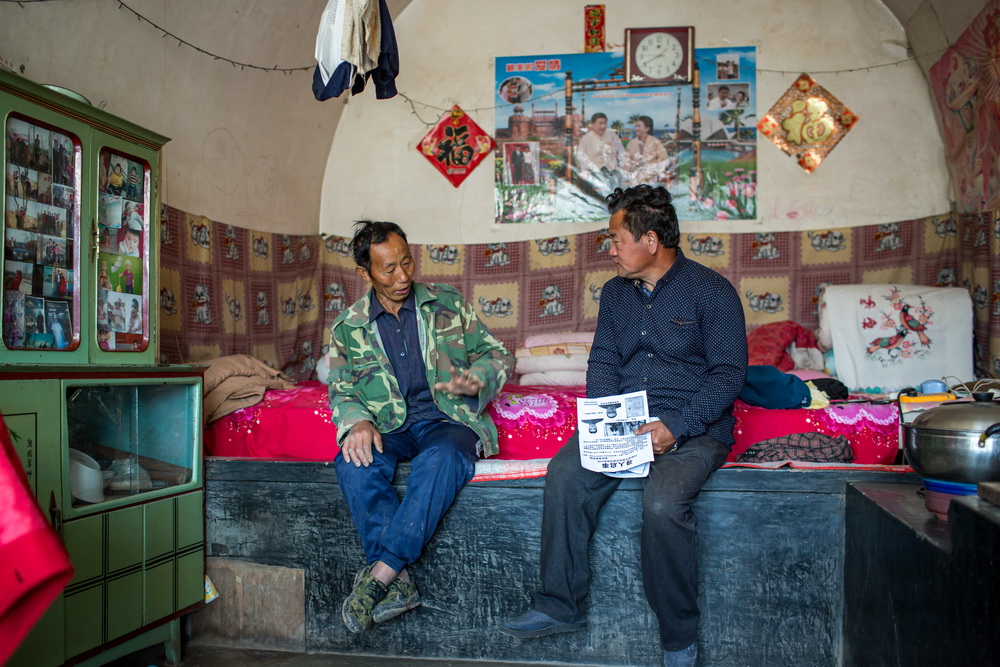
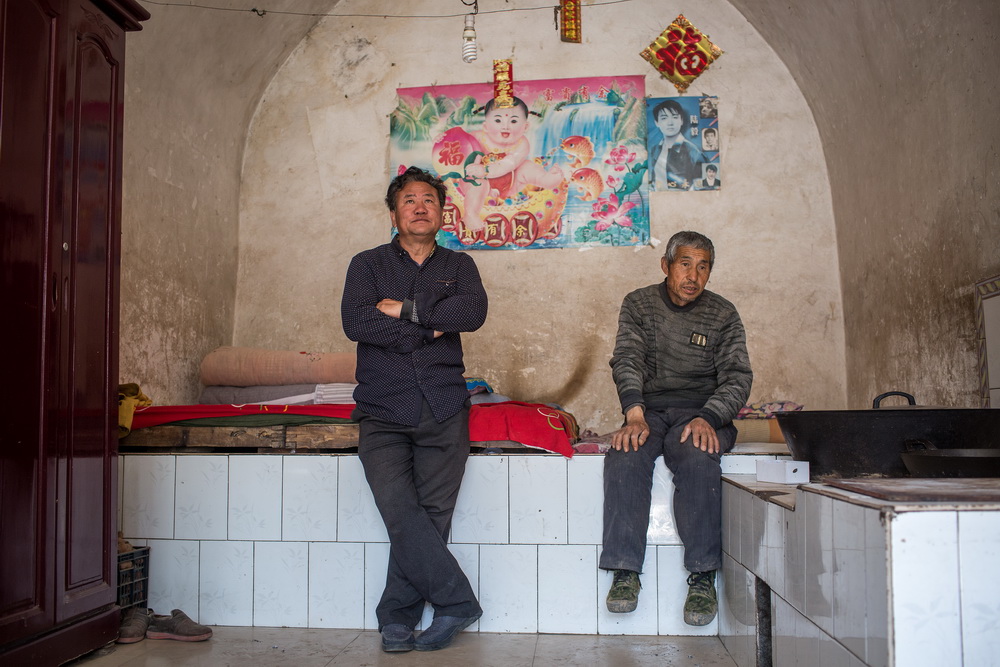
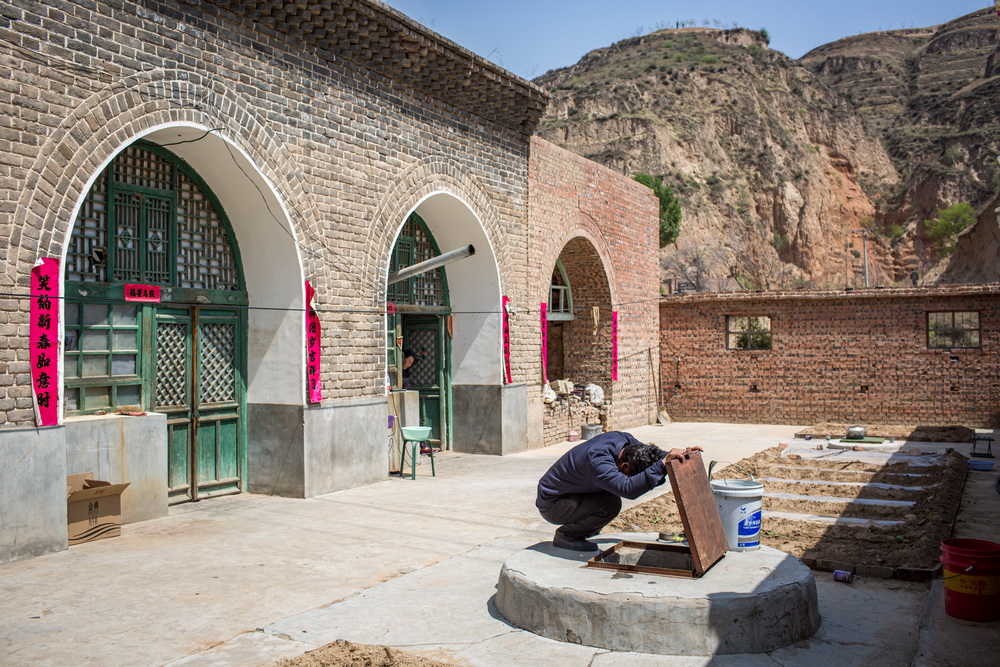
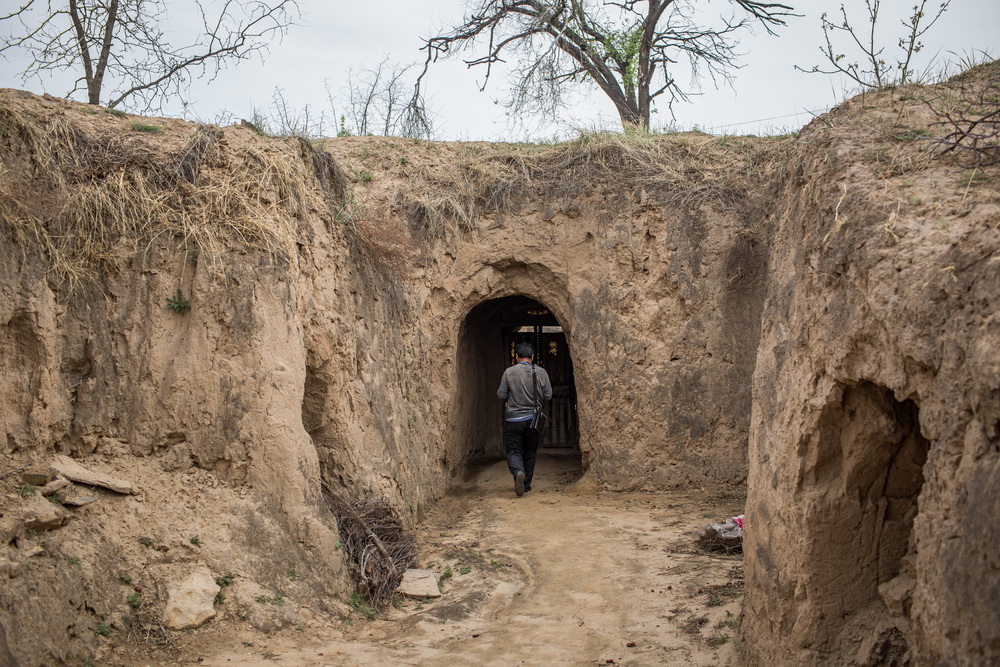
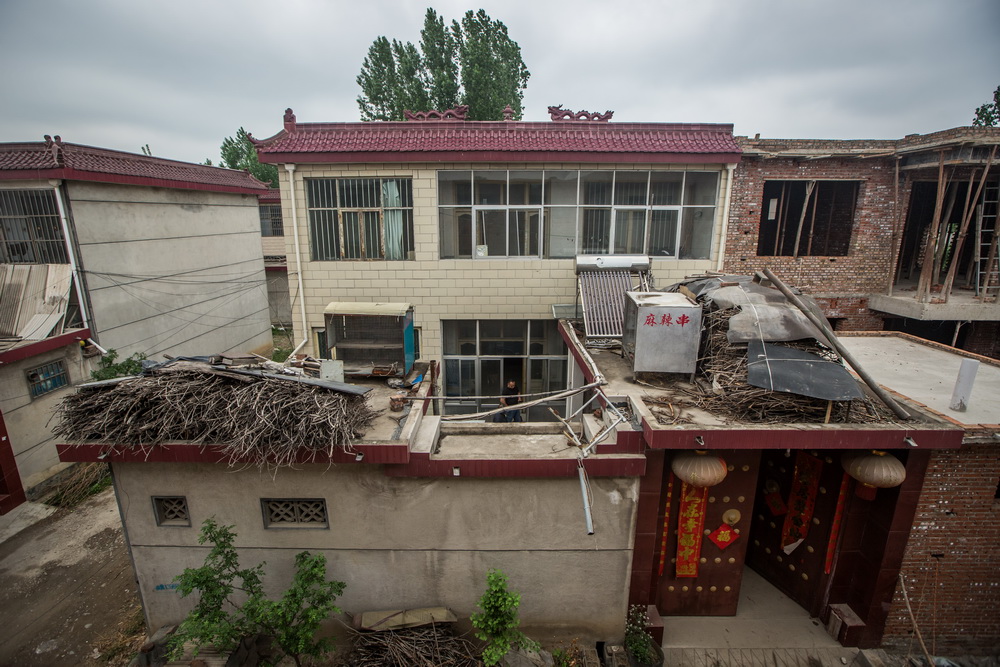
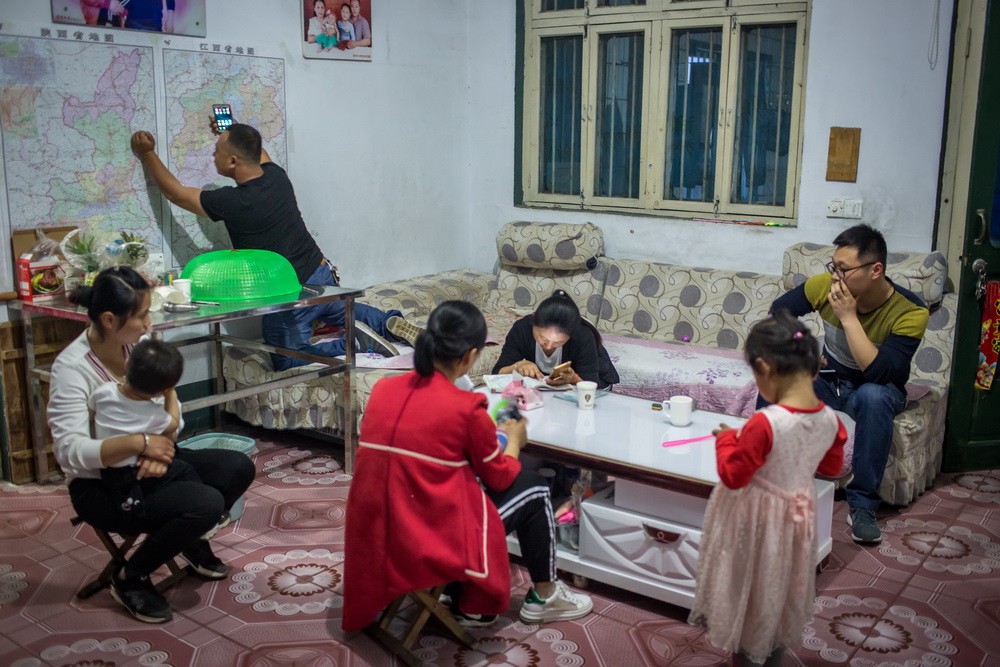
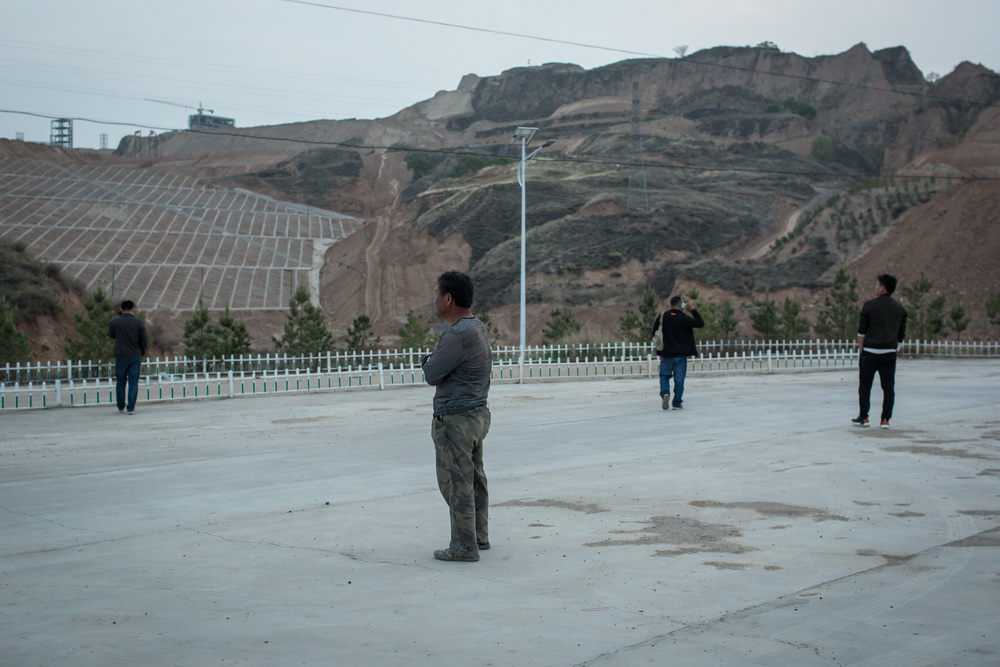
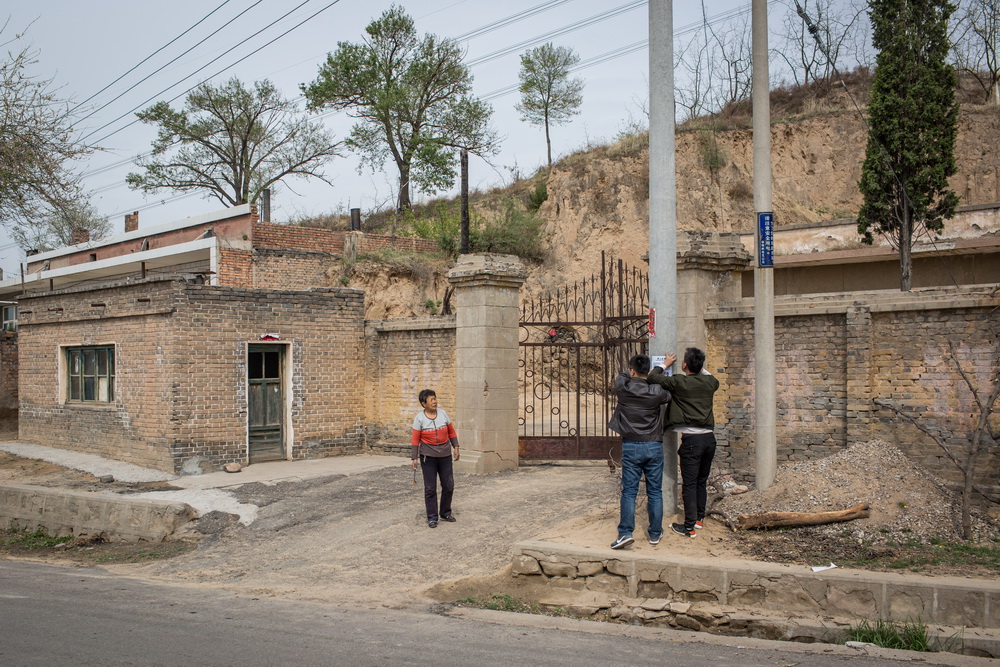
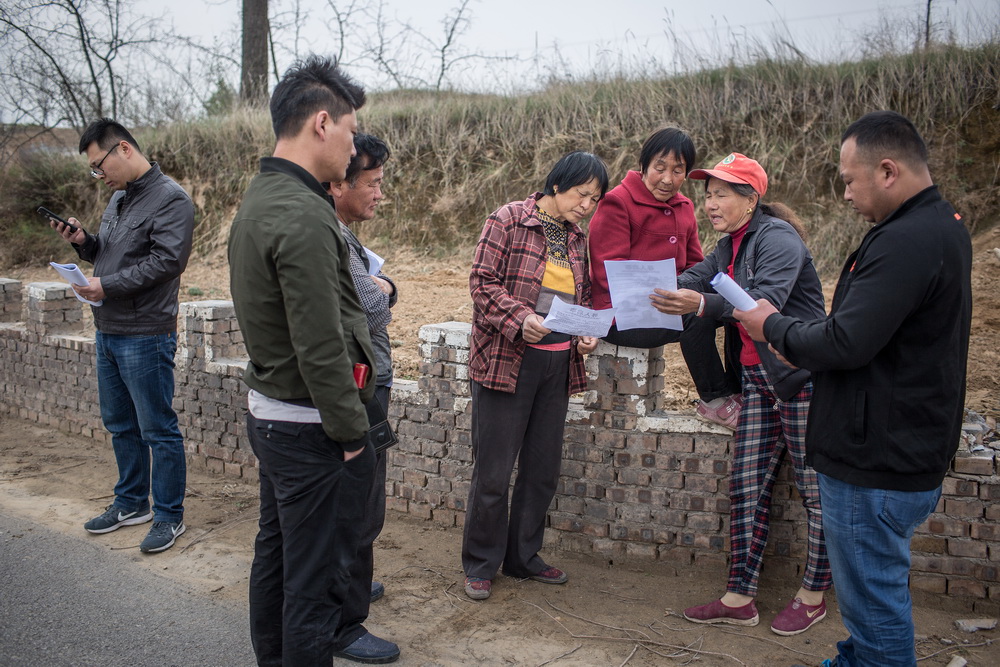
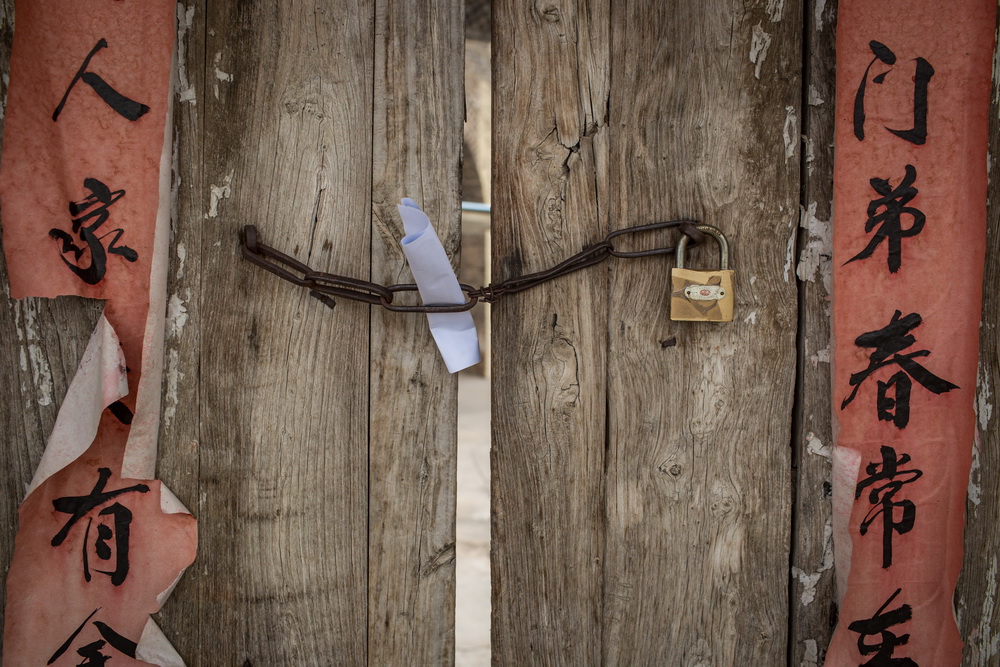
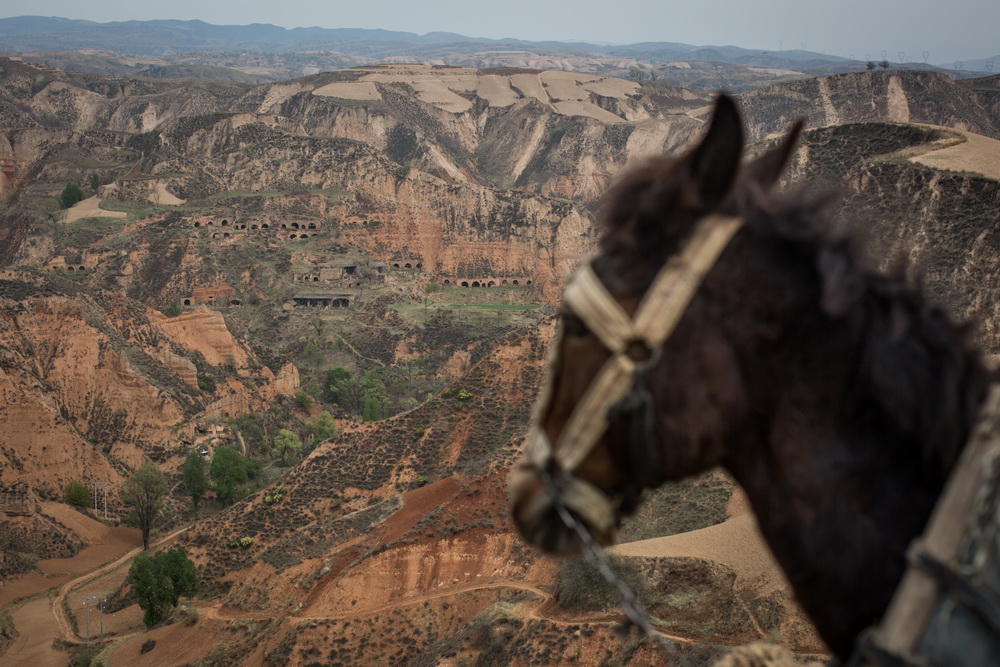
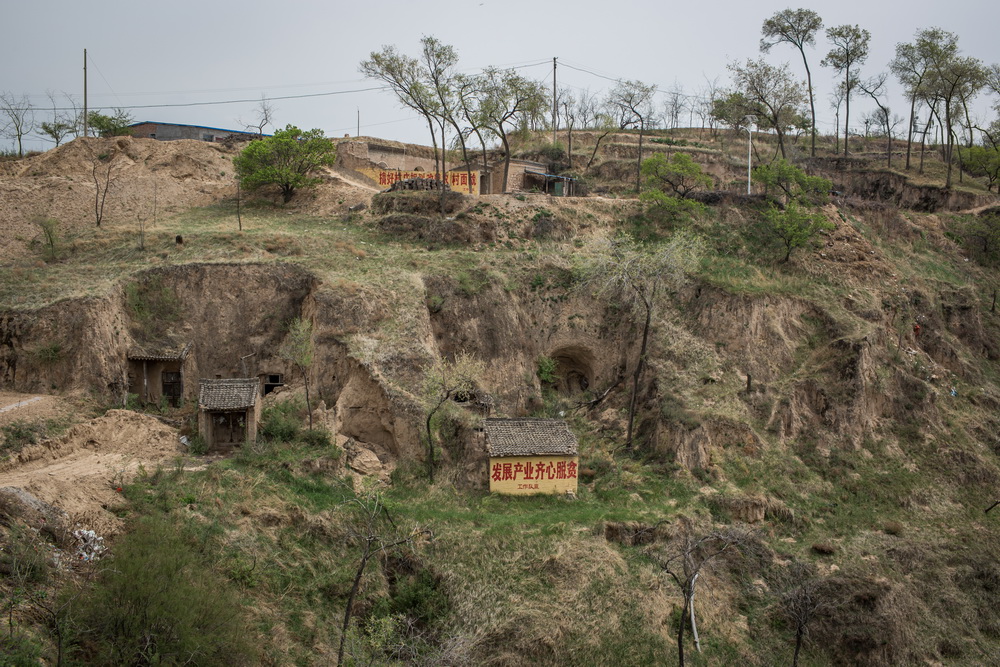
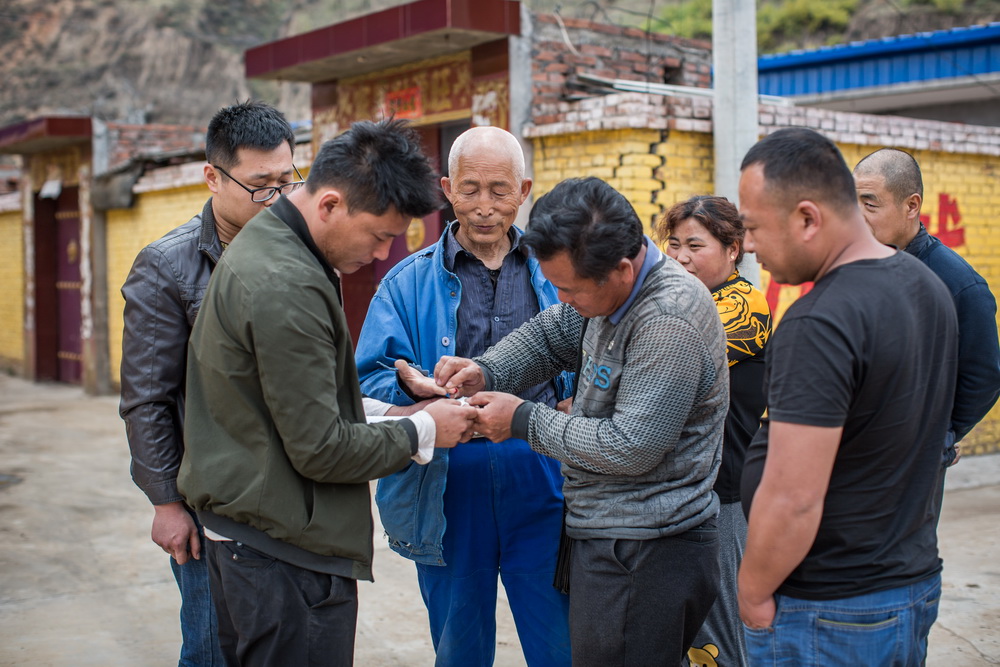
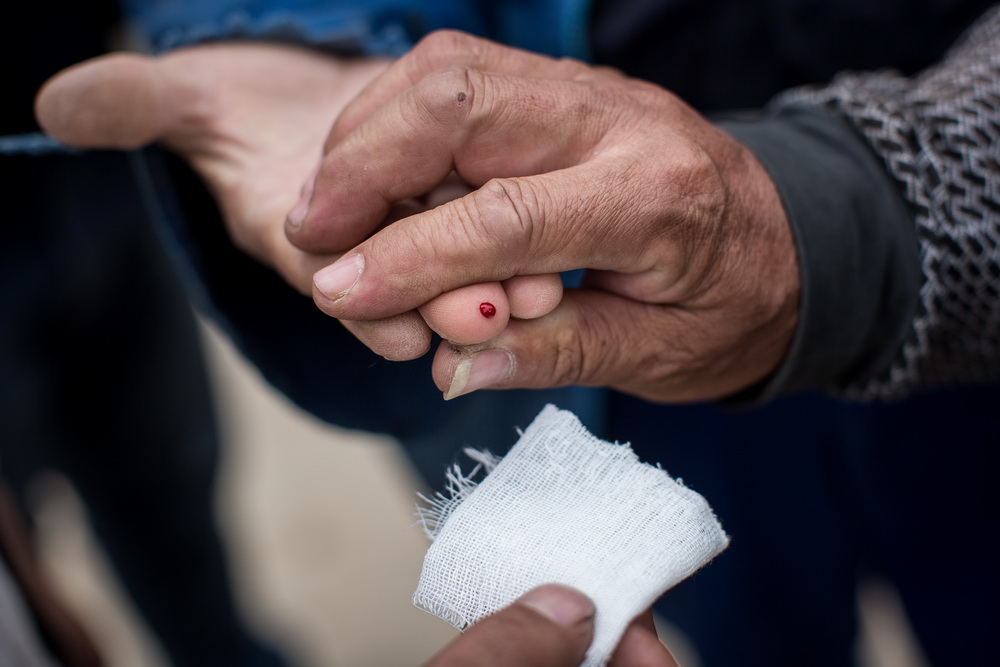
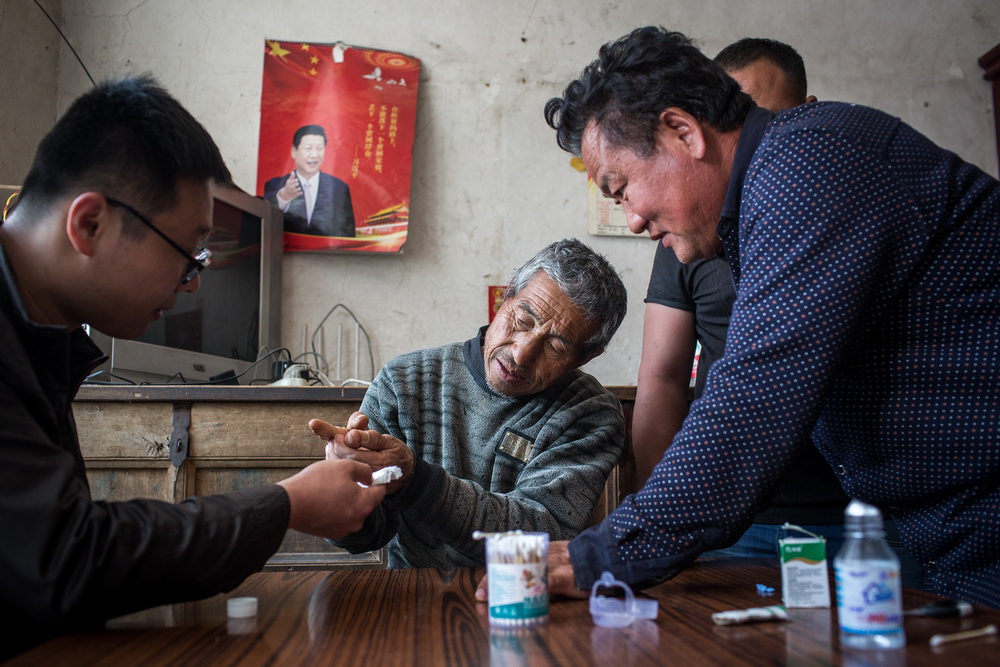
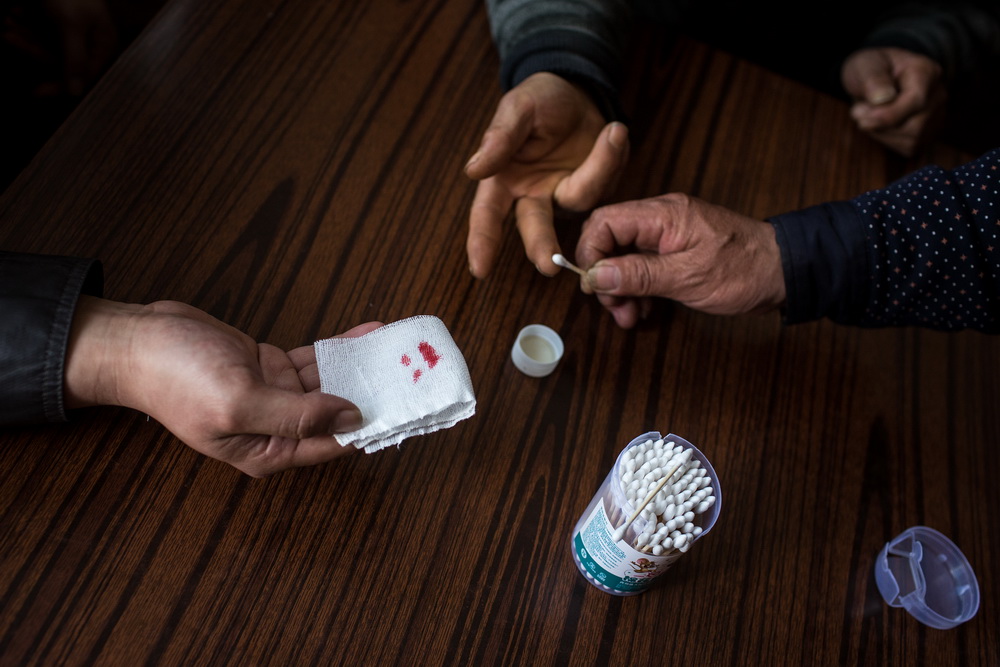
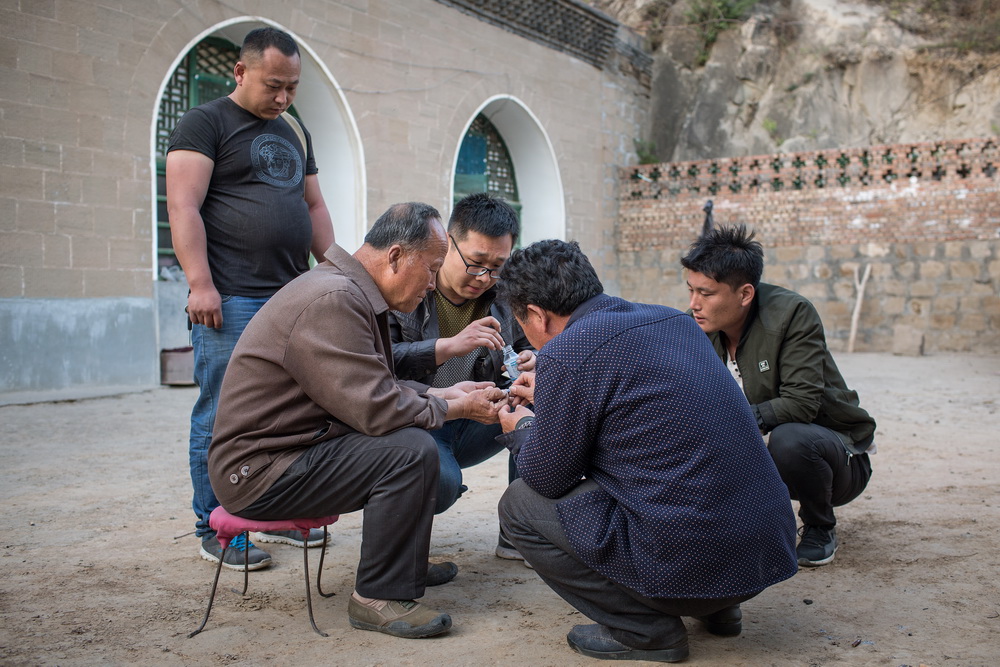
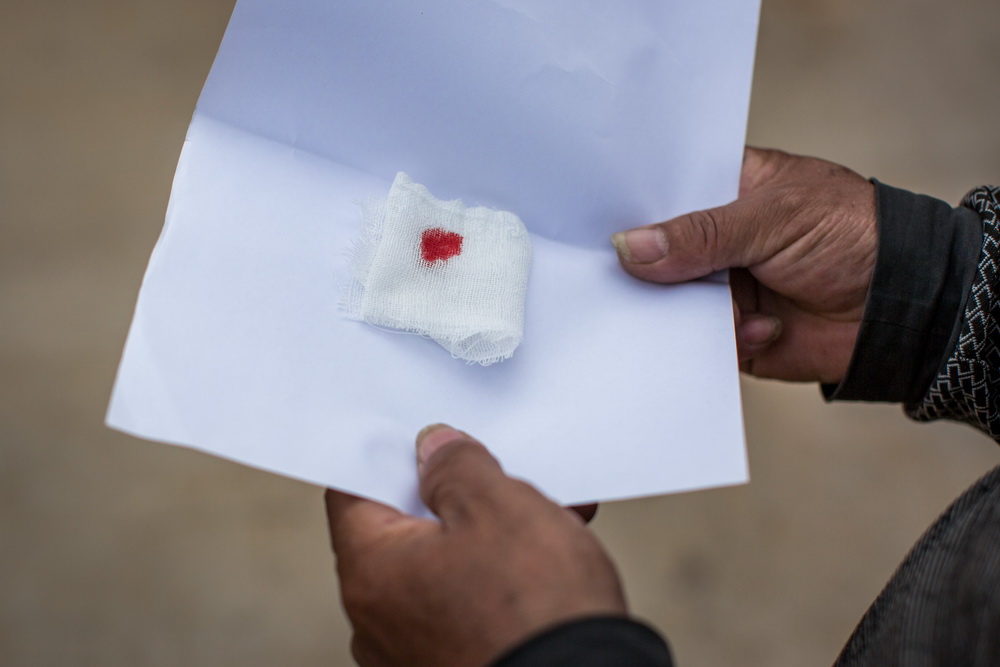
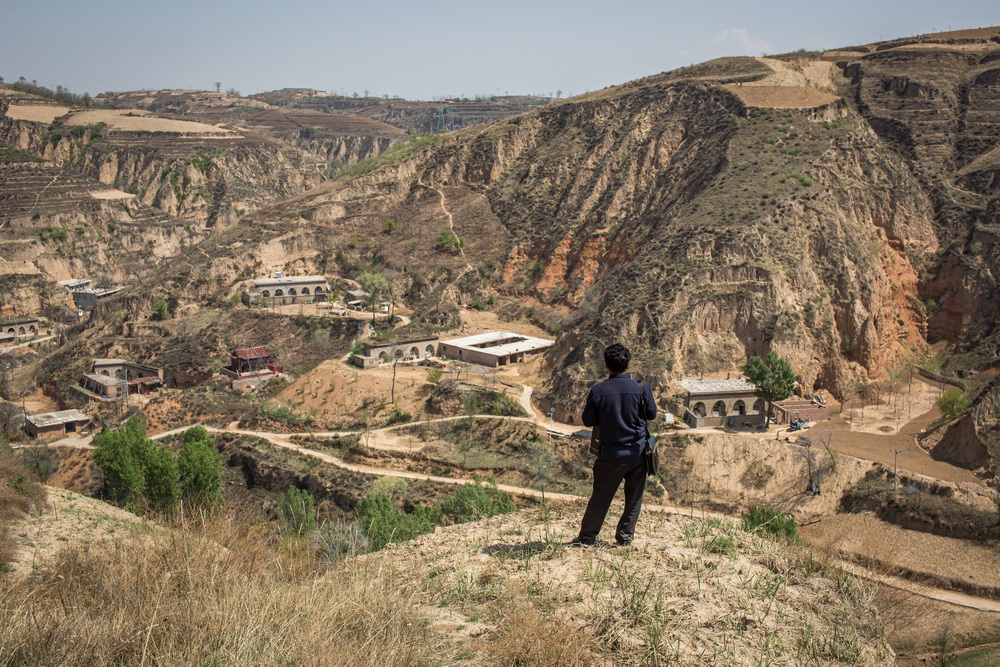
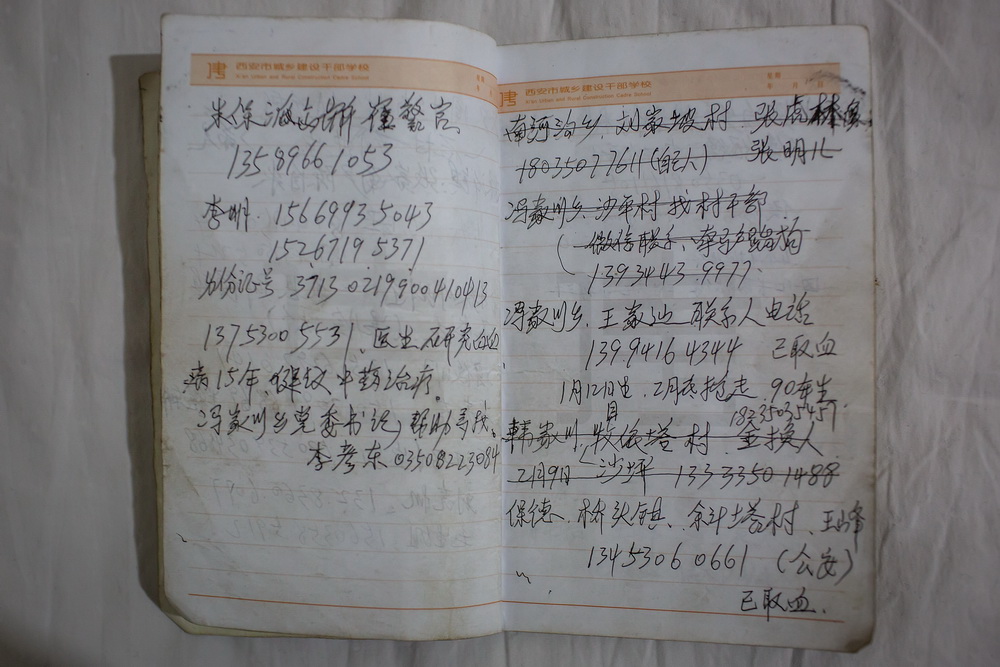
为挽救儿子生命,寻找他的亲生父母,父亲李玉华从山东临沂孤身前往山西保德——李明可能的出生地,踏上了跨越千里的寻亲长征。黄土高原的沟壑间,窑洞依山而建,李玉华挨家挨户敲门询问,散发寻亲启事,花了几个月,采集了十多户家庭的血样并送去检验,但亲子配型均未匹配。
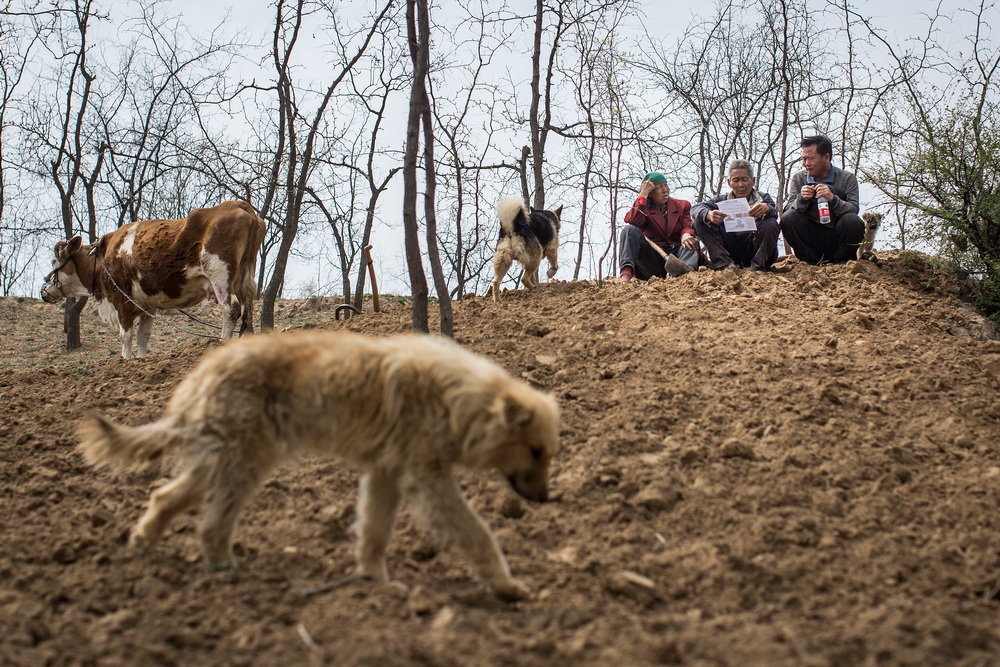
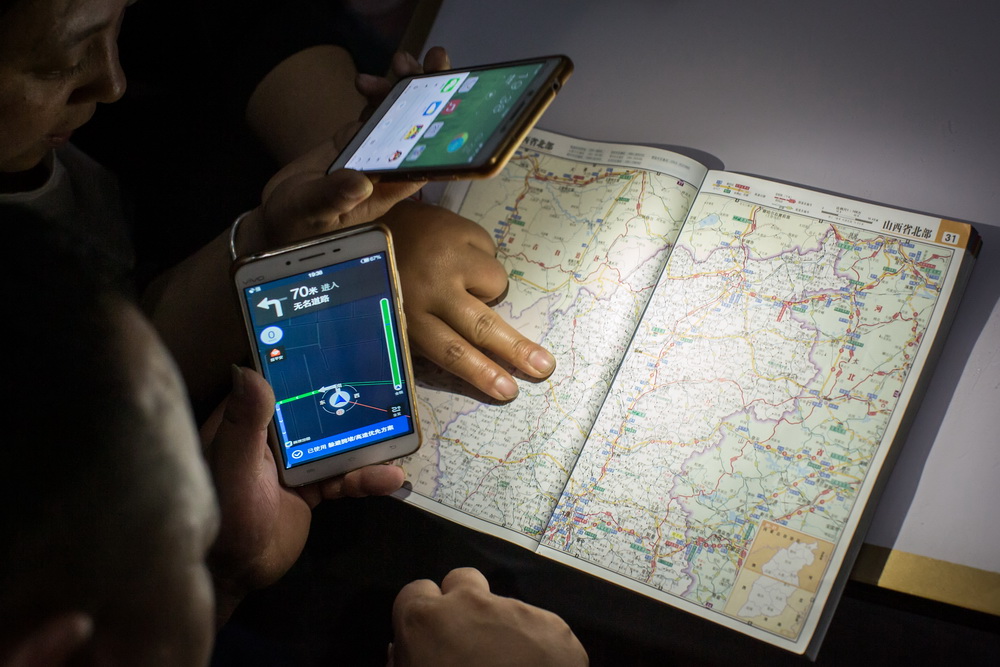
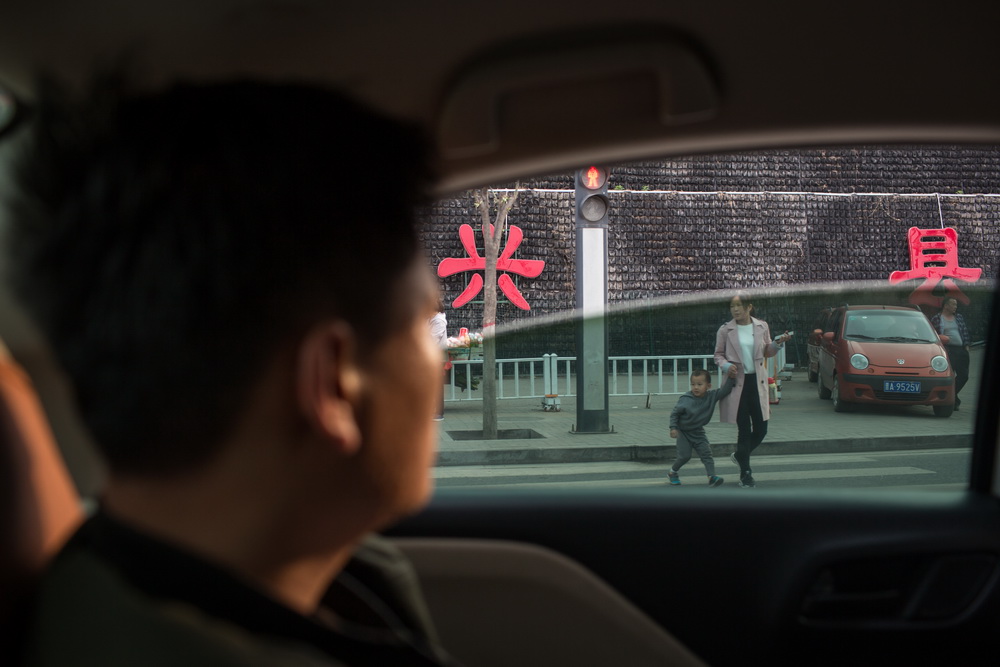
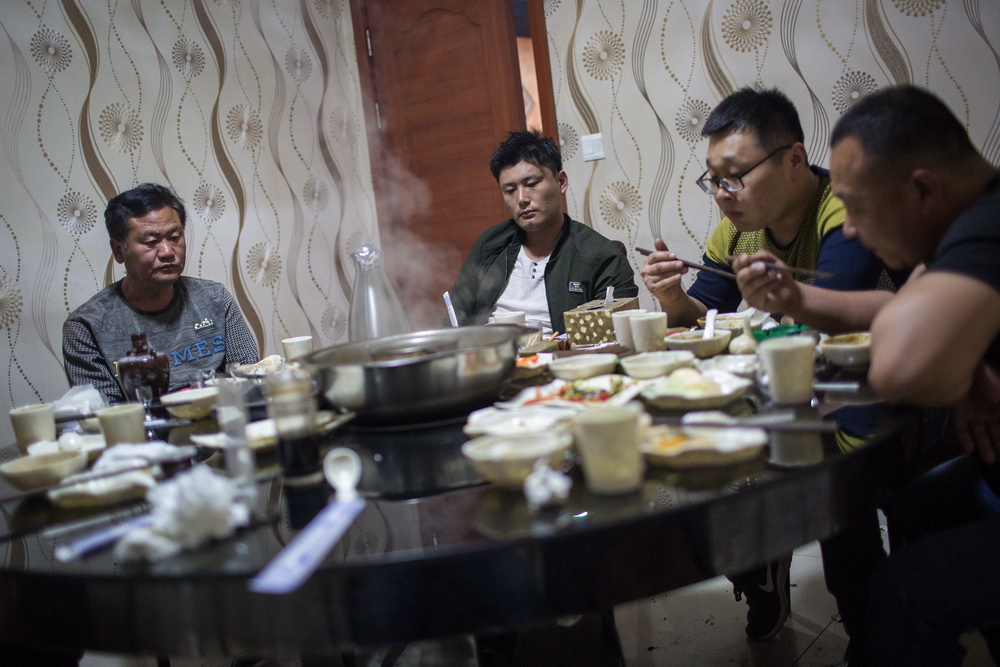
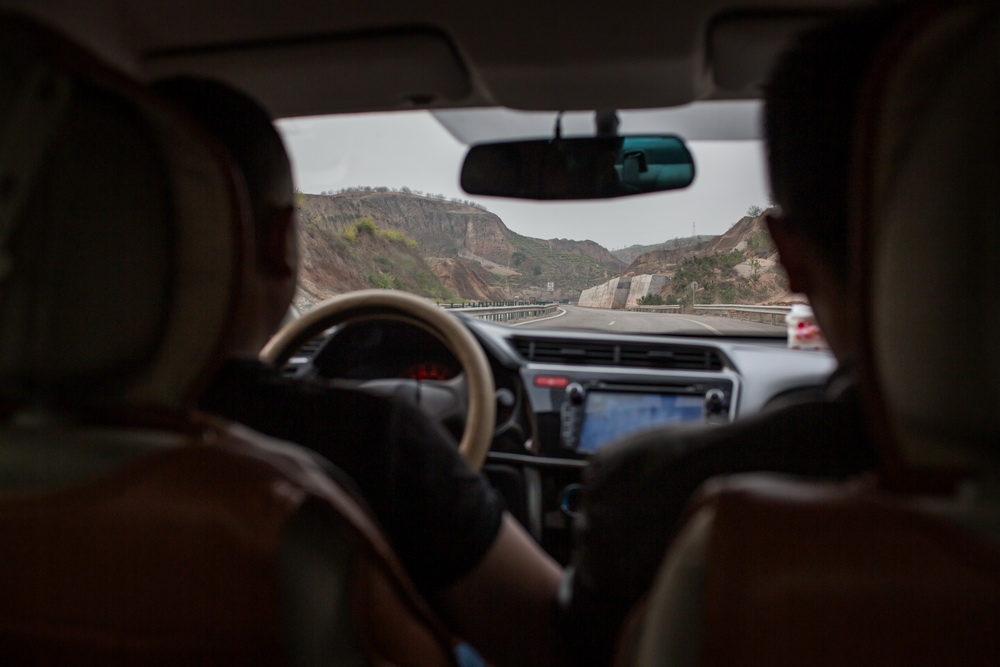
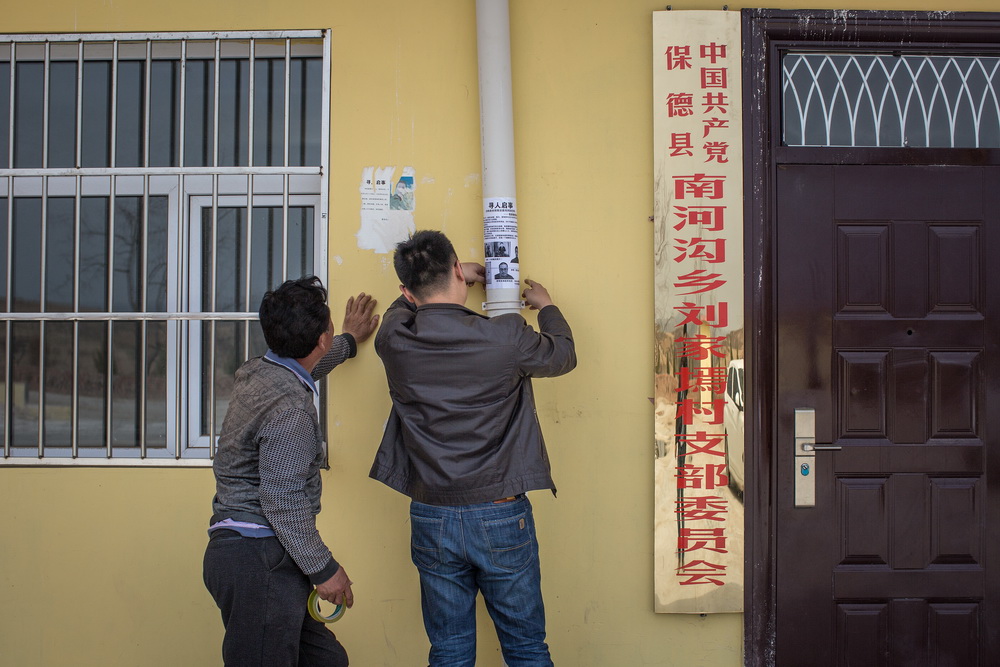
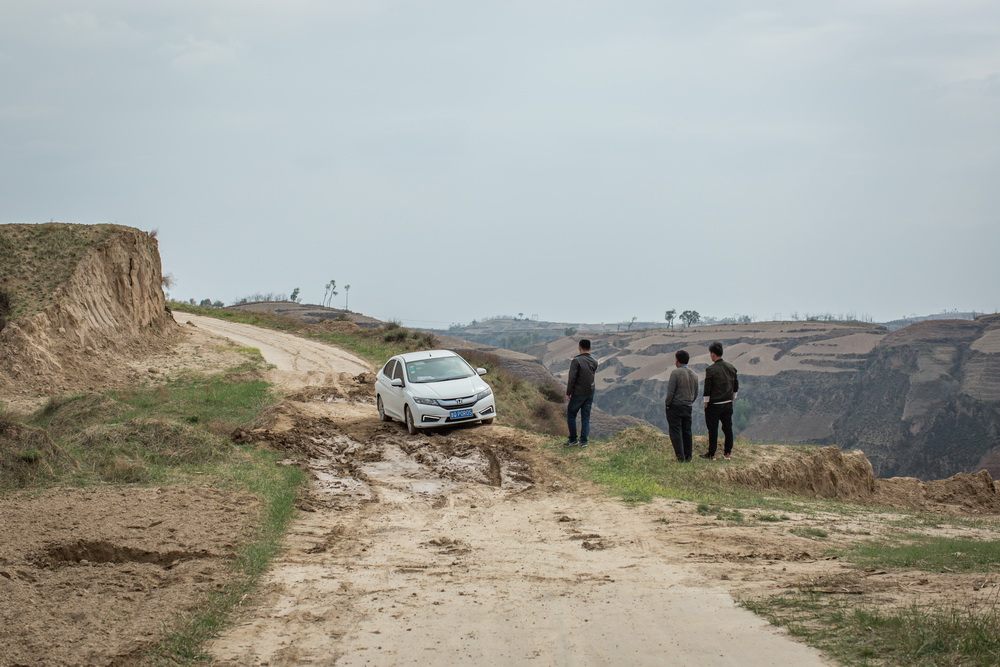
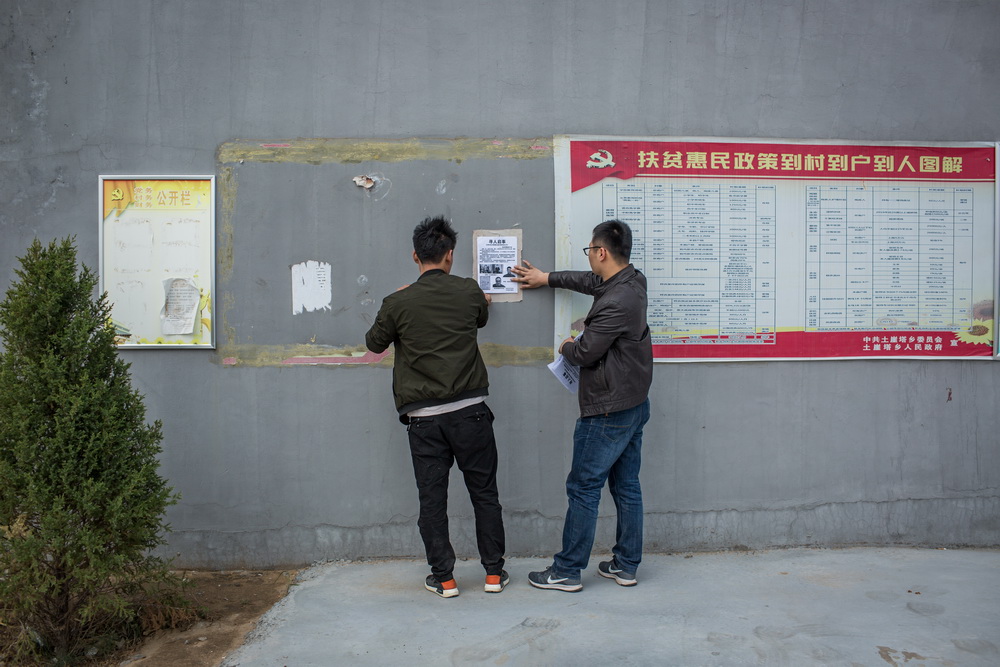
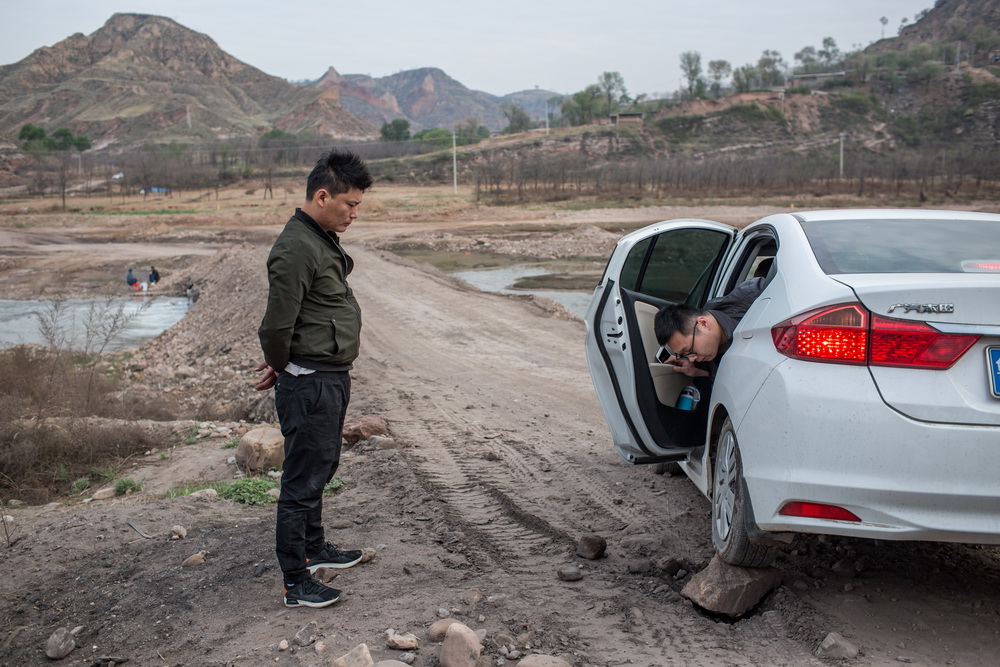
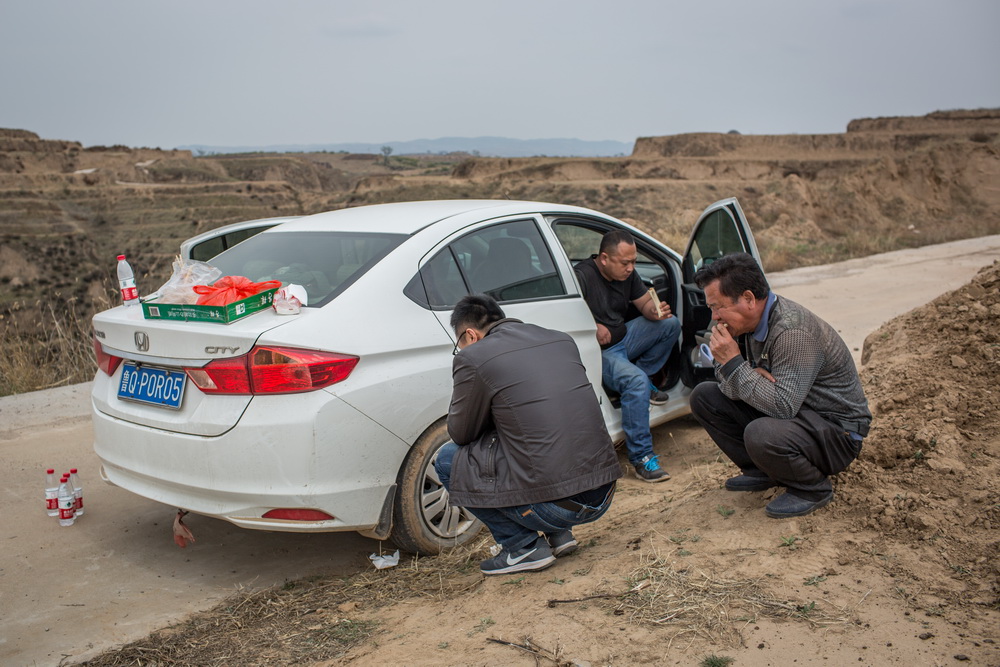
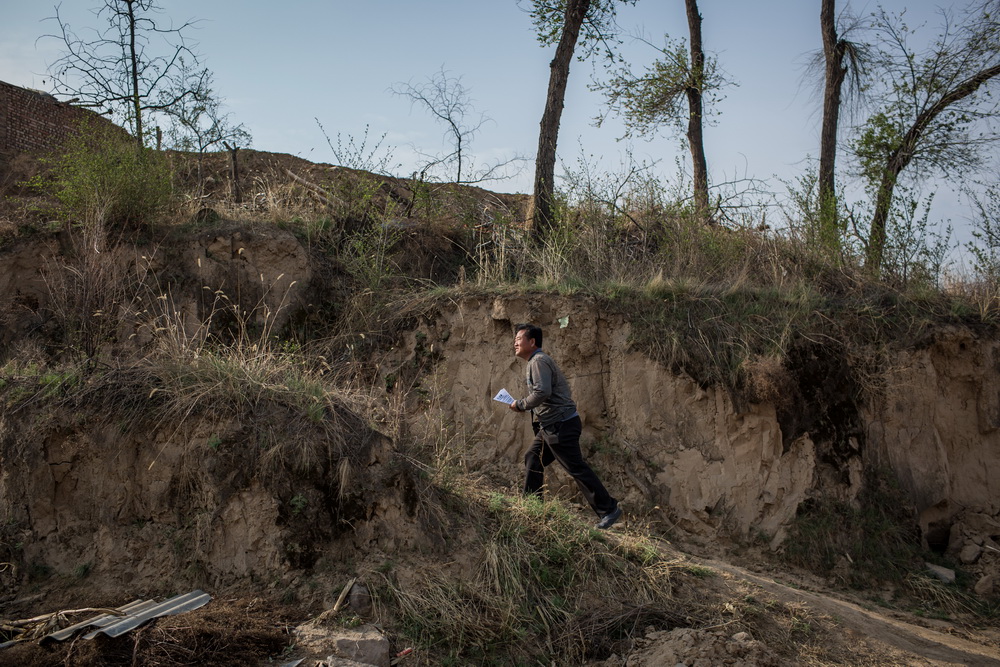
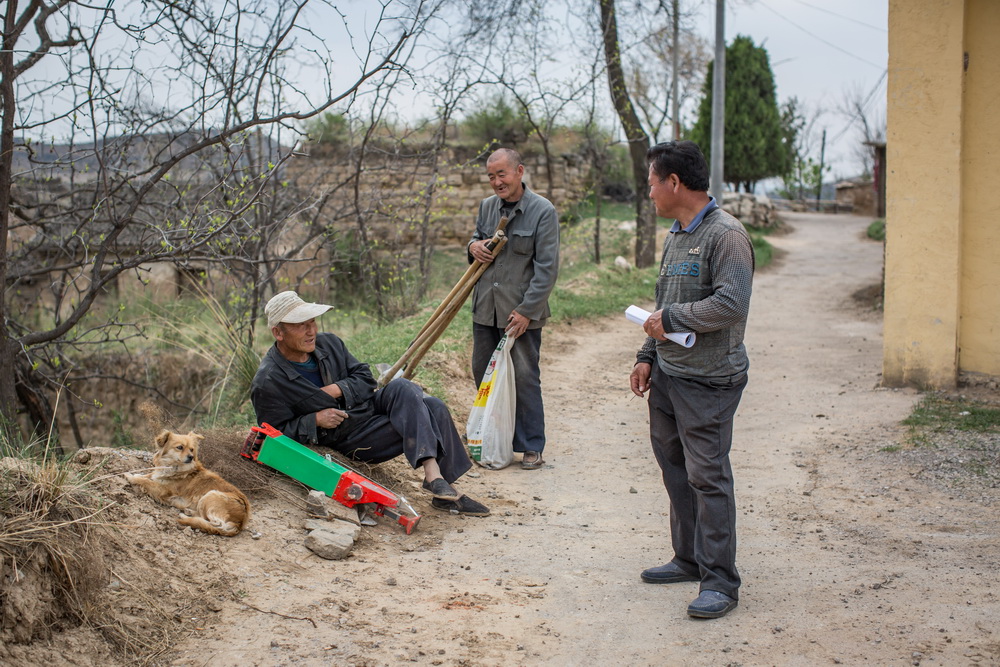
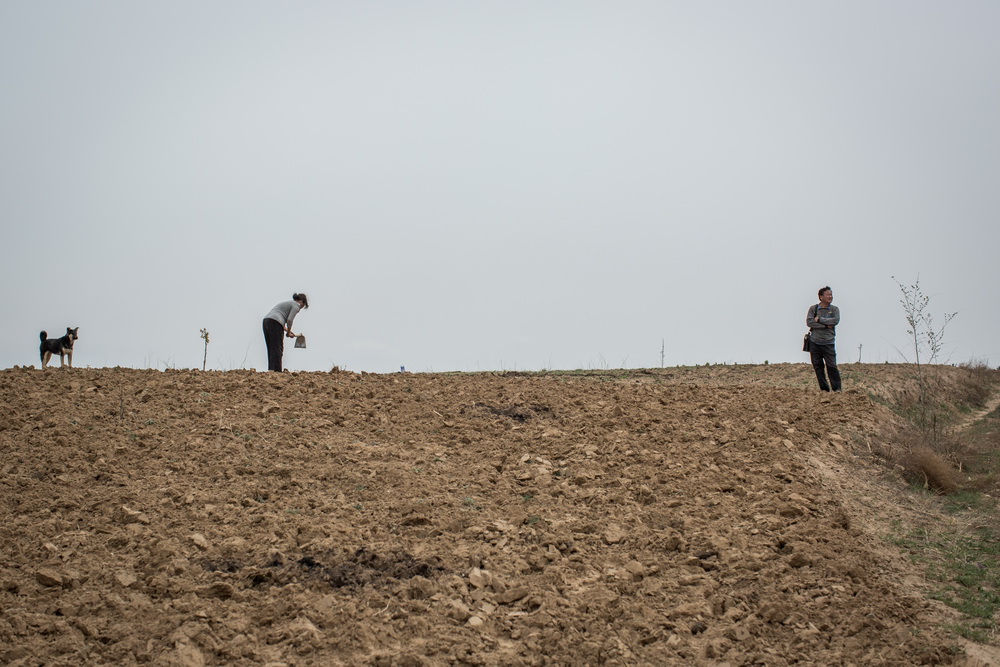
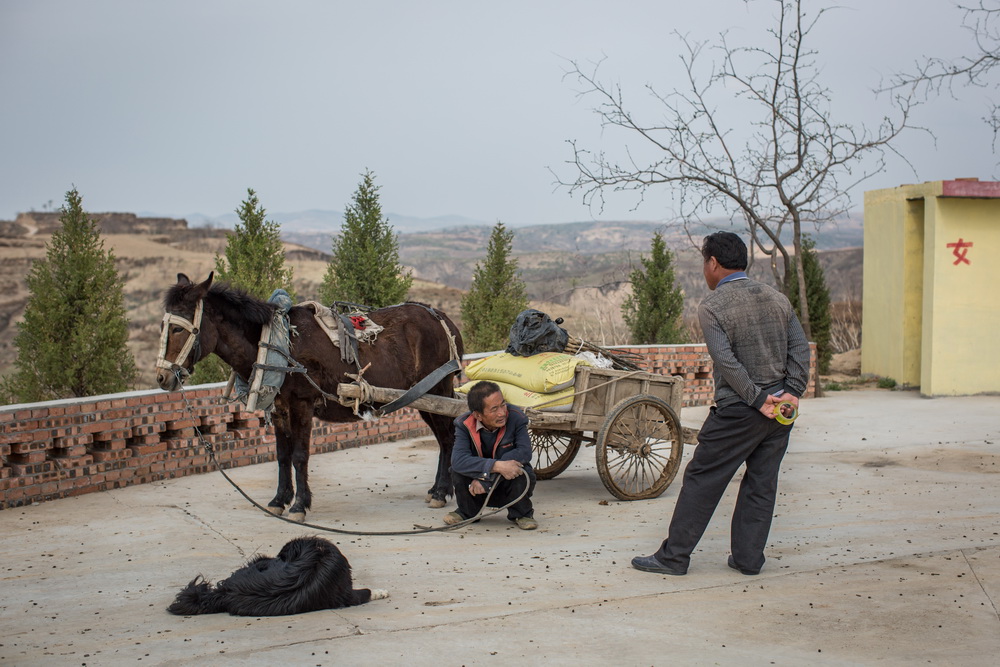
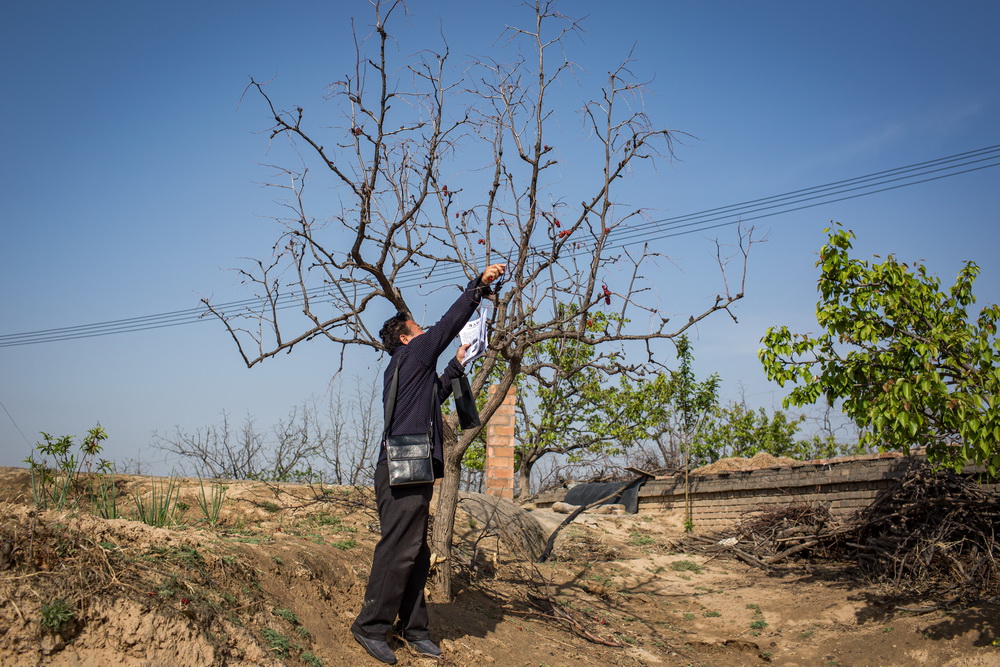
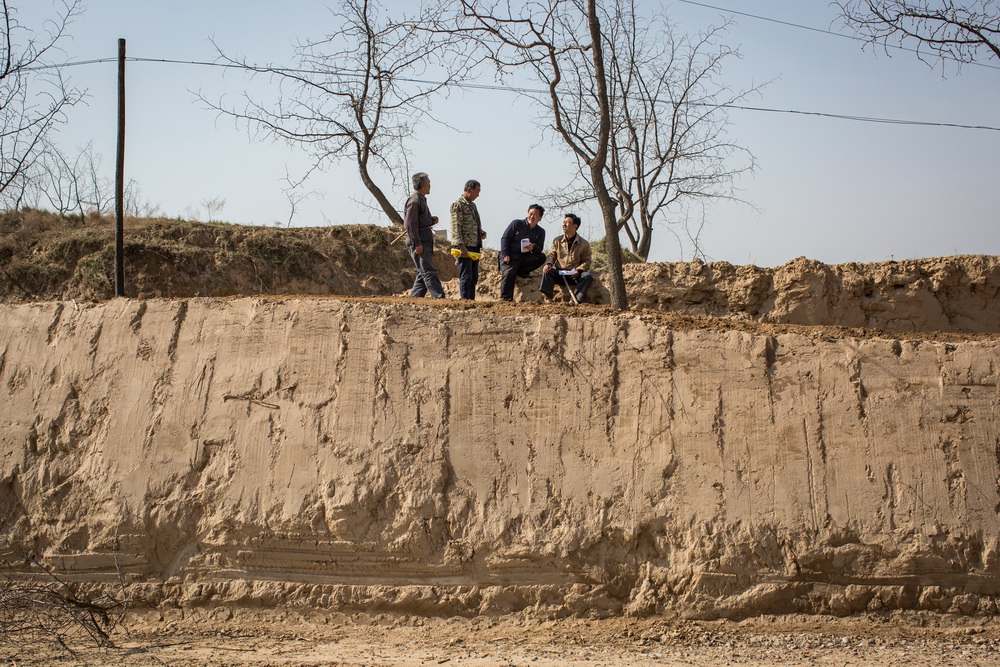
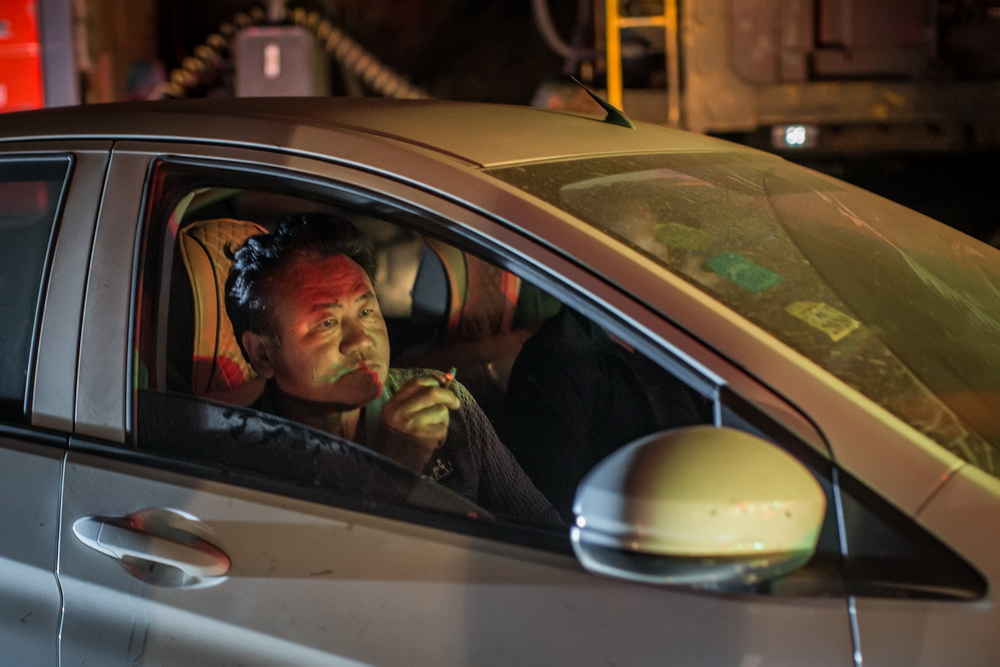
2018年4月,黄土高原的春风裹挟着沙尘掠过山峁,李玉华再次踏上这片土地时,正值春耕时节。这次,三个女婿也加入寻亲队伍。他们每天清晨出发,驱车在蜿蜒的山路上颠簸数小时。保德县的村落散落如星,有的藏在山坳里,需徒步攀爬才能抵达。一连几天,他们走遍了十多个乡数十个村落,寻亲启事贴遍村委公告栏、路口电线杆,并继续采集有相似经历的家庭成员血样。他们还来到保德县城,寻求当地媒体帮助。
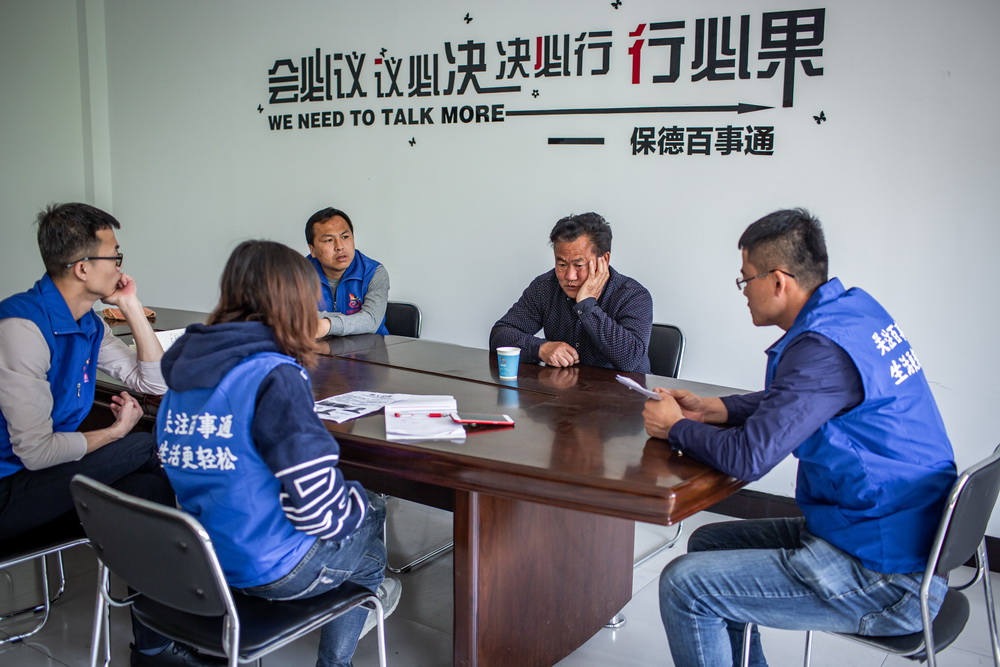
功夫不负有心人,一个多月后,好消息传来,在保德县冯家川乡找到了李明的亲生父母。家人也愿意给李明做骨髓配型,经过配型,他与一个哥哥和弟弟都配型成功,哥哥半相合,弟弟全相合但体检不合格。最终,哥哥的造血干细胞被用于移植。
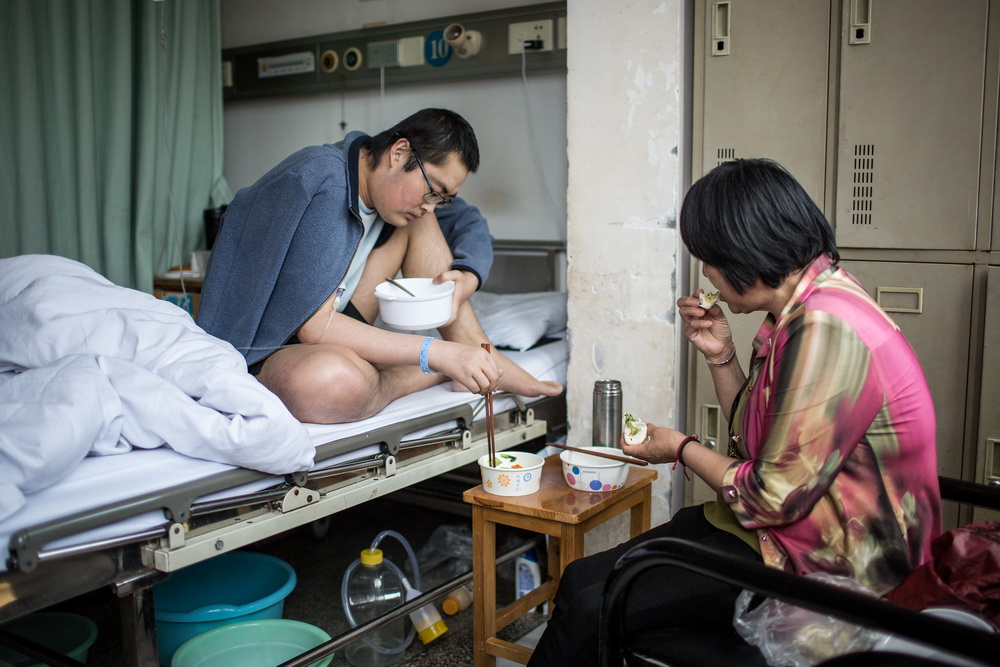
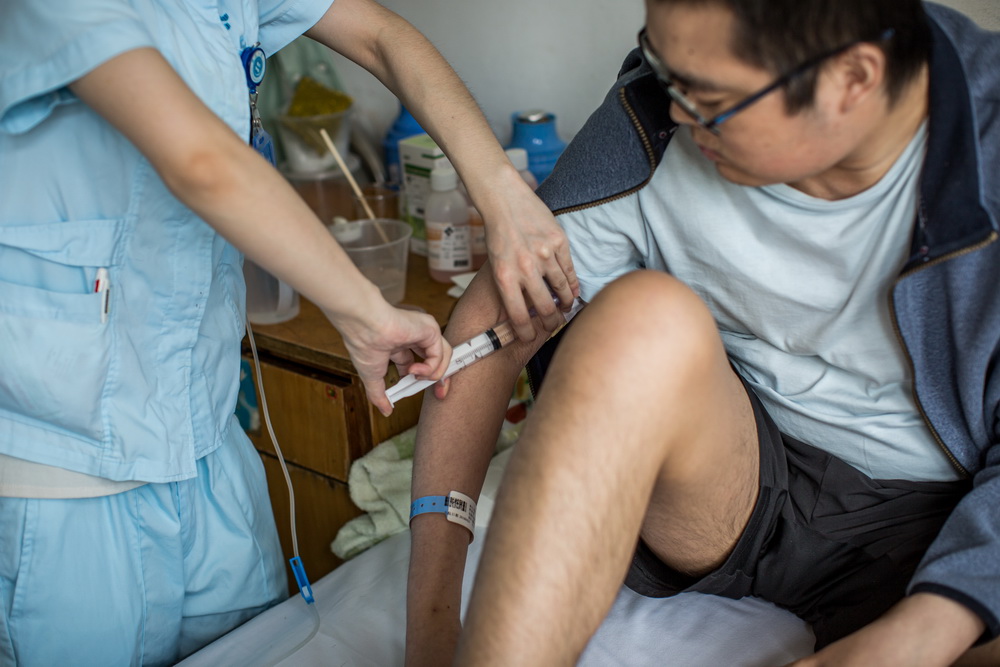
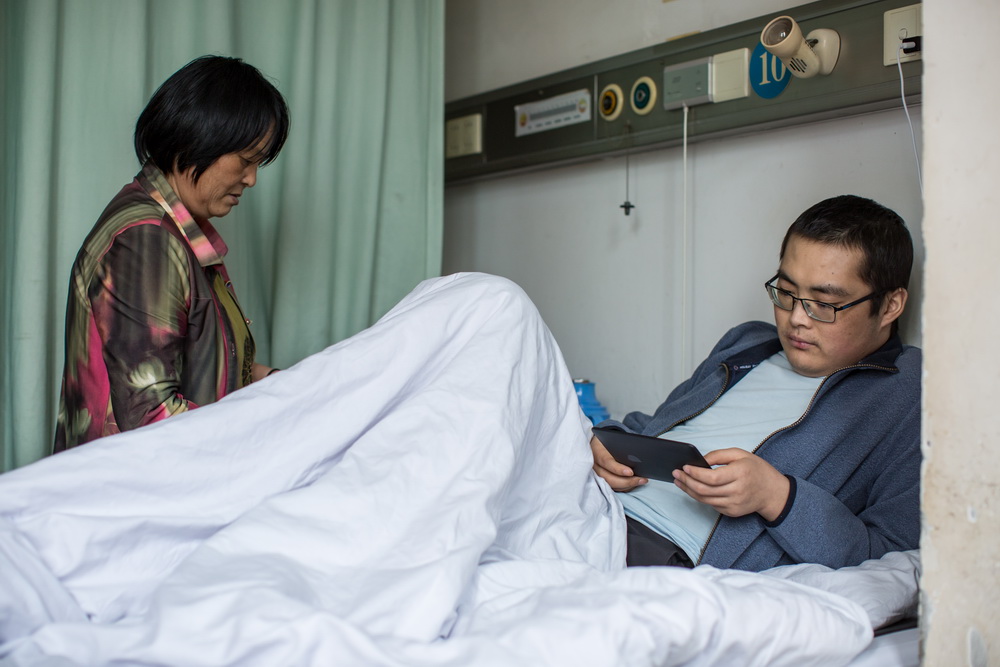
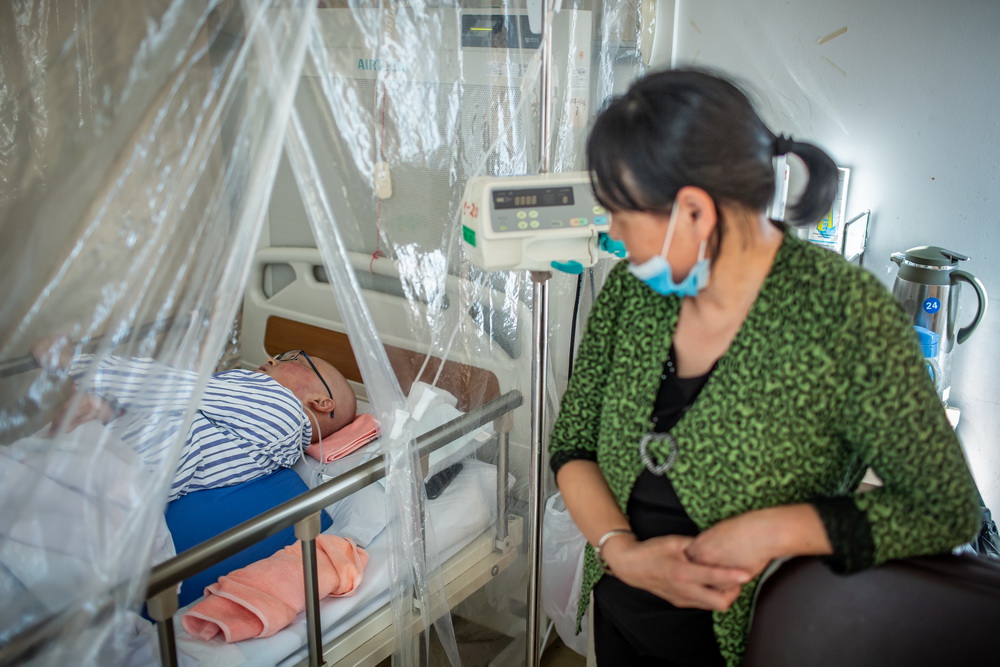
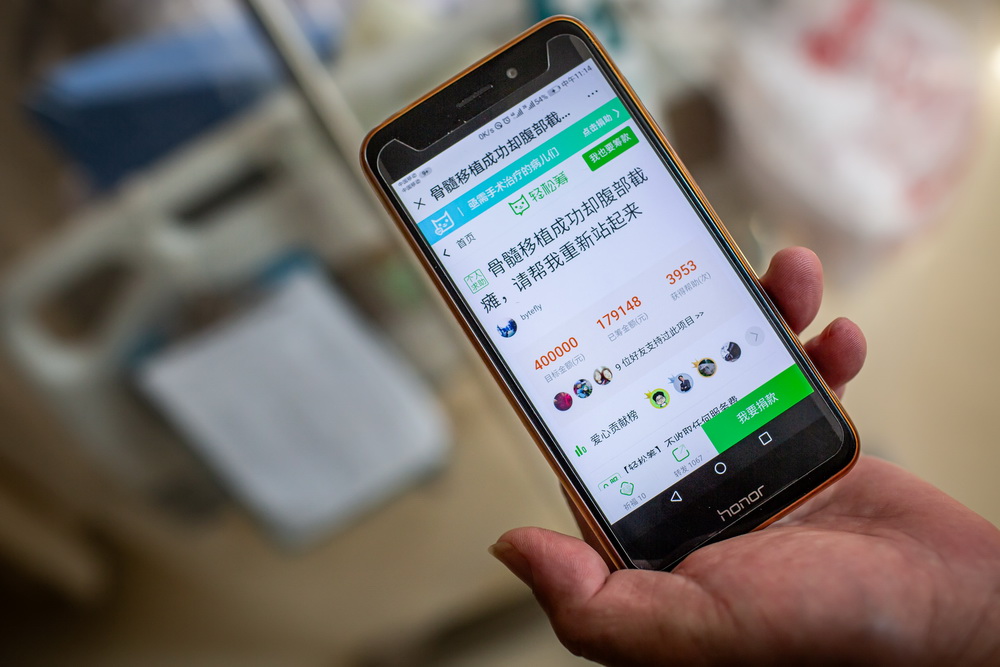
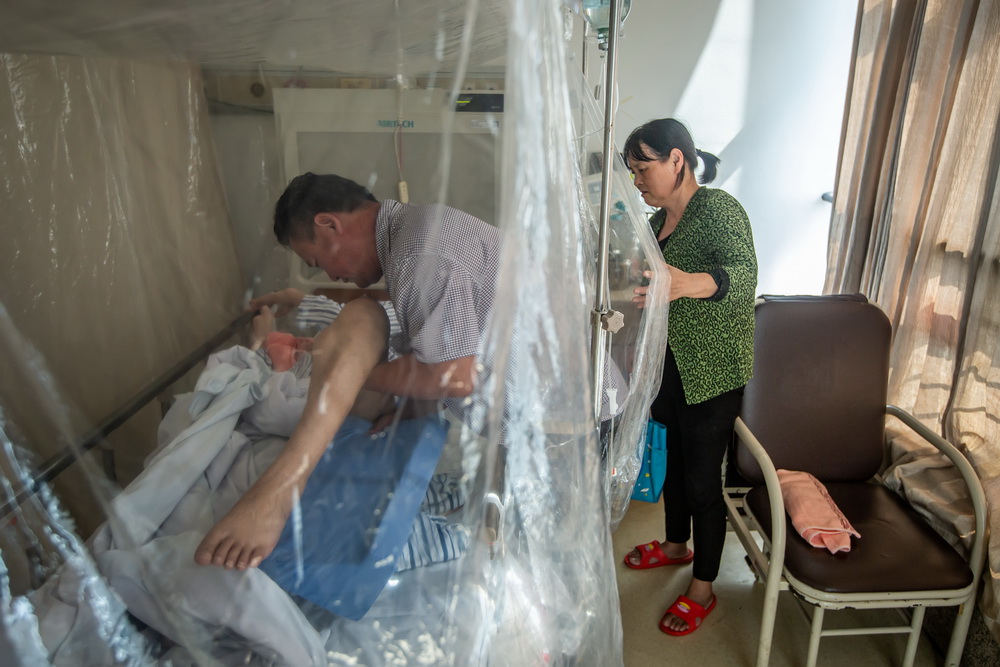
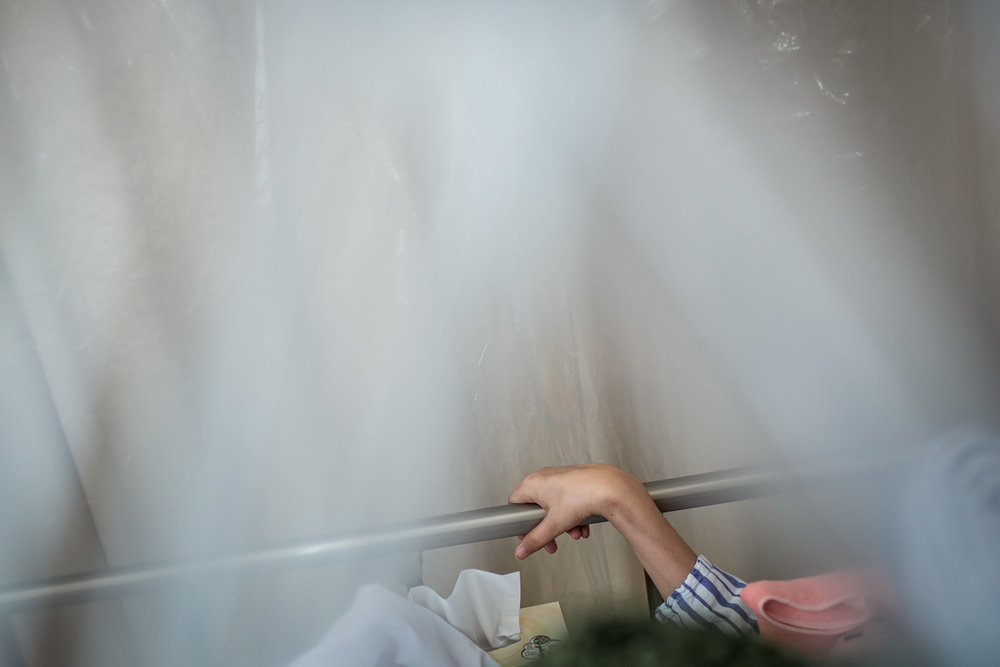
9月,李明在杭州一家医院接受了移植手术,但十多天后出现脚部发麻症状,随后发展为腹部以下截瘫,大小便失禁,生活无法自理。
尽管家人竭尽全力筹款、寻亲、治疗,但李明还是未能战胜病魔,不久后悄然离世。
他的最后一条朋友圈定格在2018年10月,在转发为自己筹款的链接时写道:“前途总是比过往更加凶险,在人生这条路上我便陷入了泥潭。”
这是一场被命运反复戏弄的荒诞悲剧,在身世与病魔双重打击下,这个曾怀揣人生梦想的青年,最终也未再踏足出生的黄土地。
(摄于2018年)
This is a strange and twisting tale.
In a soon-to-be-demolished urban village in Binjiang District, Hangzhou, 28-year-old Li Ming curled up in a rented room of less than 7 square meters, his cough echoing in the confined space. This young man, repeatedly toyed with by fate, was using his last strength to fight against death.
Li Ming came from a farming family in Linyi, Shandong. After graduating from Xi’an University of Posts and Telecommunications in 2013, he chose to work in Hangzhou to ease the financial burden on his family, yet he always harbored the dream of pursuing academic advancement. Three years later, he resolutely quit his job to prepare for the postgraduate entrance examination. With only four months of review, he was admitted to the School of Computer Science at Zhejiang University. However, in June 2017, as Li Ming was about to embark on his graduate studies, he was diagnosed with acute lymphoblastic leukemia, requiring a bone marrow transplant. Due to resigning from his job to prepare for the exam and not yet having enrolled, Li Ming could not enjoy medical insurance. The high cost of treatment plunged his entire family into hardship. With the help of relatives, friends, and society, they finally raised 430,000 yuan.
The key to treating leukemia is finding a matching hematopoietic stem cell, as the success rate of matching is usually higher among direct relatives. In addition to his parents, Li Ming had three older sisters. Just as preparations were underway for family matching, fate dealt another cruel blow—his mother, with tears in her eyes, revealed a long-buried secret: “You are not my biological son…”
In fact, after giving birth to her third daughter, his mother suffered a massive hemorrhage and lost her ability to bear children. In 1990, she adopted a baby boy from a middleman in Bao De County, Shanxi Province, naming him Li Ming. This young man, raised as a biological son, did not learn of his true origins until he was on the brink of death. However, at the time of adoption, it was only known that Li Ming was born on the 16th day of the third lunar month and had three older brothers, while the middleman had long since passed away, severing the trail of his origins.
To save his son’s life and find his biological parents, his father, Li Yuhua, traveled alone from Linyi, Shandong, to Bao De County, Shanxi—the possible birthplace of Li Ming—embarking on a long journey of searching for his roots. In the ravines of the Loess Plateau, cave dwellings were built into the hills. Li Yuhua knocked on doors one by one, distributed notices of his search, and collected blood samples from more than ten households, but none matched.
In April 2018, the spring breeze of the Loess Plateau carried sand and dust over the hills. When Li Yuhua returned to this land, it was the time of spring plowing. This time, his three sons-in-law also joined the search. Every morning, they set out, driving for hours on winding mountain roads. The villages of Bao De County were scattered like stars, some hidden in mountain hollows, requiring a hike to reach.
For several days, they visited more than ten townships and dozens of villages, knocking on doors, posting notices on village committee bulletin boards and utility poles, and continuing to collect blood samples from families with similar experiences. They also went to the county seat of Bao De, seeking help from local media.
As the saying goes, “Hard work pays off.” After more than a month, good news came: Li Ming’s biological parents were found in Fengjia Chuan Township, Bao De County. The family was willing to undergo bone marrow matching. After matching, Li Ming was compatible with one brother (half-match) and one brother (full-match but failed physical examination). Ultimately, the hematopoietic stem cells from the first brother were used for transplantation.
In September, Li Ming underwent a transplant surgery at a hospital in Hangzhou. However, after more than ten days, he developed numbness in his feet, which then progressed to paralysis below the abdomen, urinary and fecal incontinence, and an inability to take care of himself.
Despite the family’s utmost efforts to raise funds, search for relatives, and treat him, Li Ming ultimately could not overcome the disease and quietly passed away.
His last WeChat Moments post was frozen in October 2018. When forwarding a fundraising link for himself, he wrote: “The future is always more perilous than the past. On this road of life, I have fallen into a quagmire.”
Li Ming’s fate was a tragic farce repeatedly played by fate. Under the dual blows of his origins and illness, this young man who once harbored dreams of life ultimately never returned to the Loess Plateau of his birth.
(2018)